The Art of the Personal Project is a crucial element to let potential buyers see how you think creatively on your own. I am drawn to personal projects that have an interesting vision or that show something I have never seen before. In this thread, I’ll include a link to each personal project with the artist statement so you can see more of the project. Please note: This thread is not affiliated with any company; I’m just featuring projects that I find. Please DO NOT send me your work. I do not take submissions.
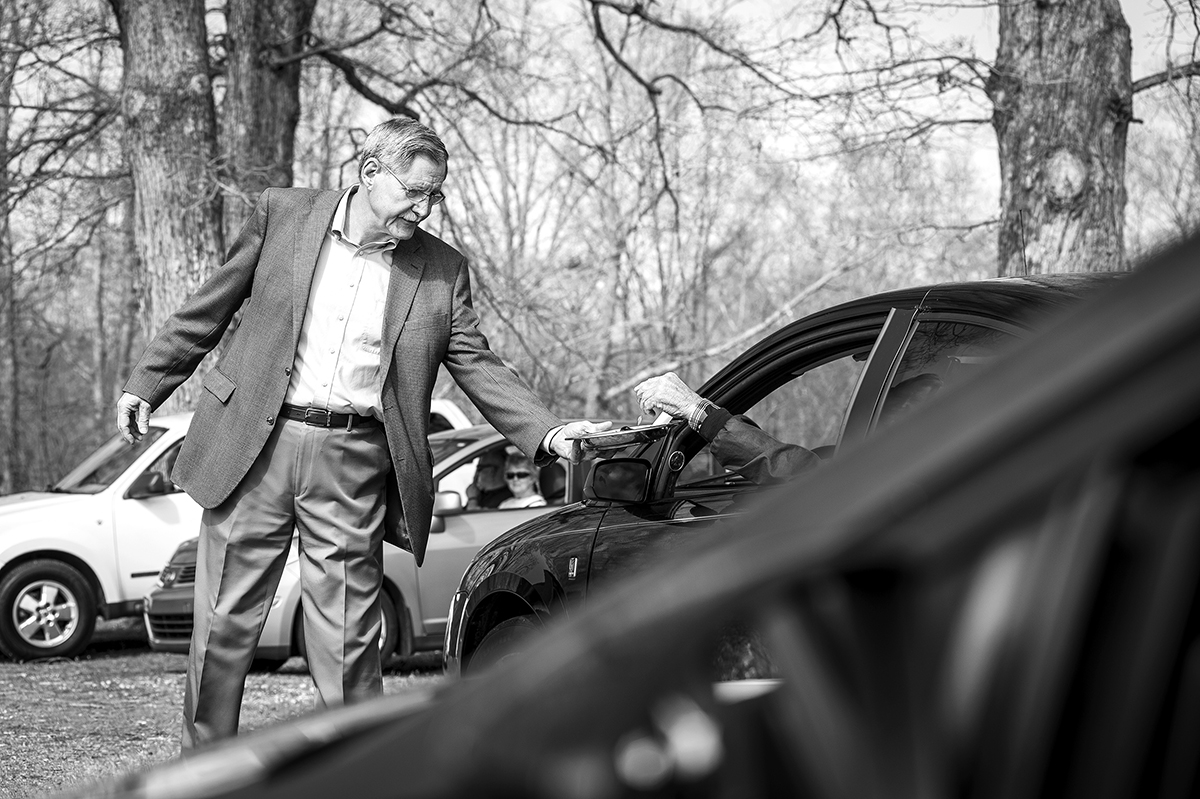
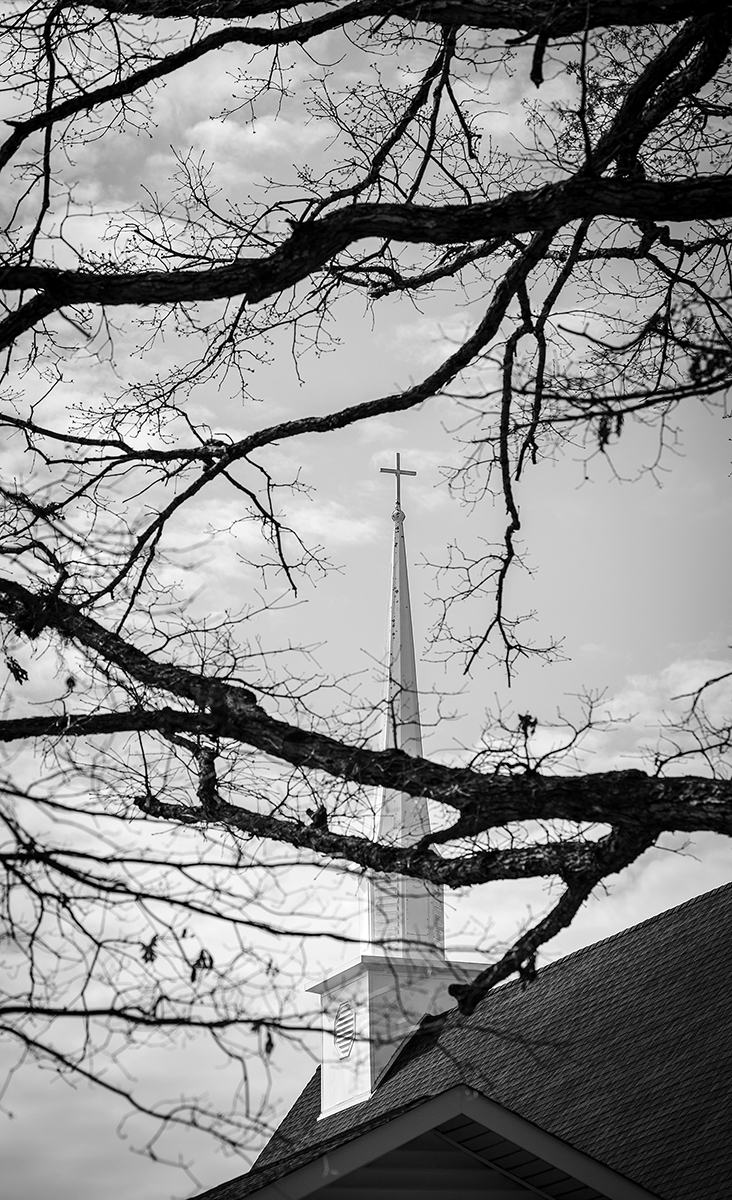
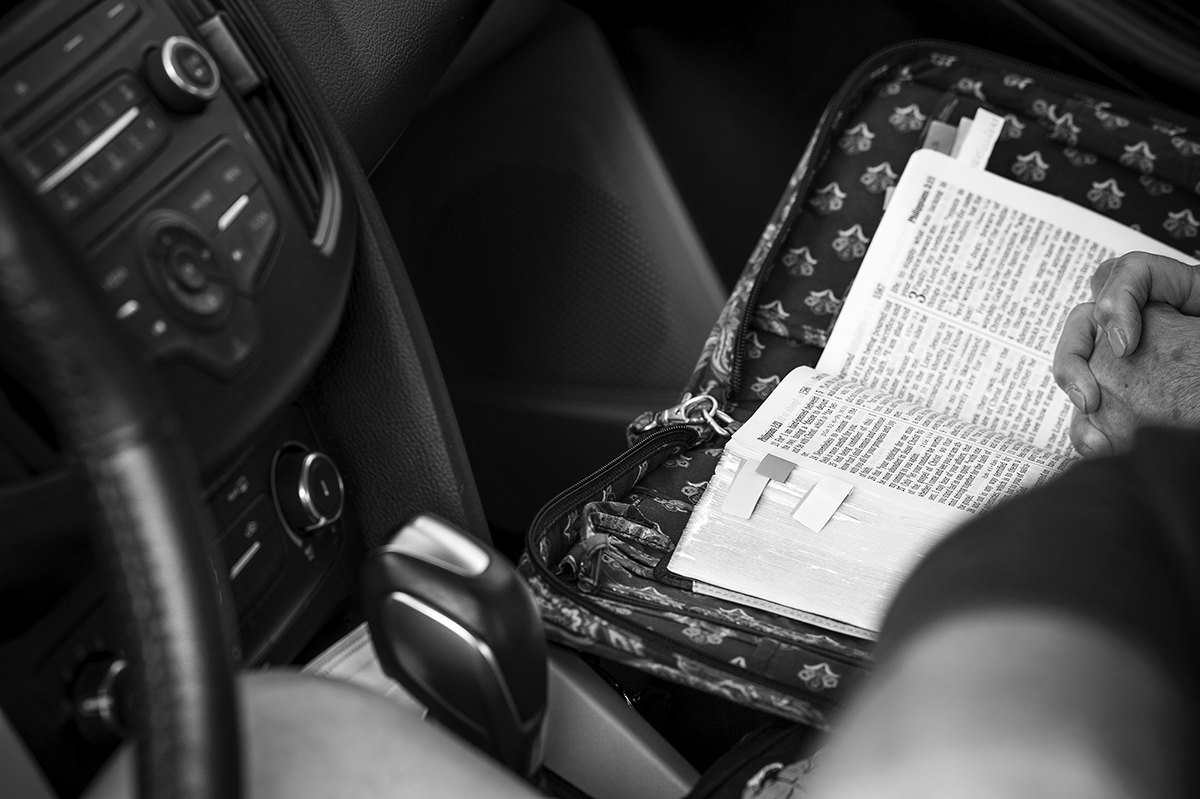
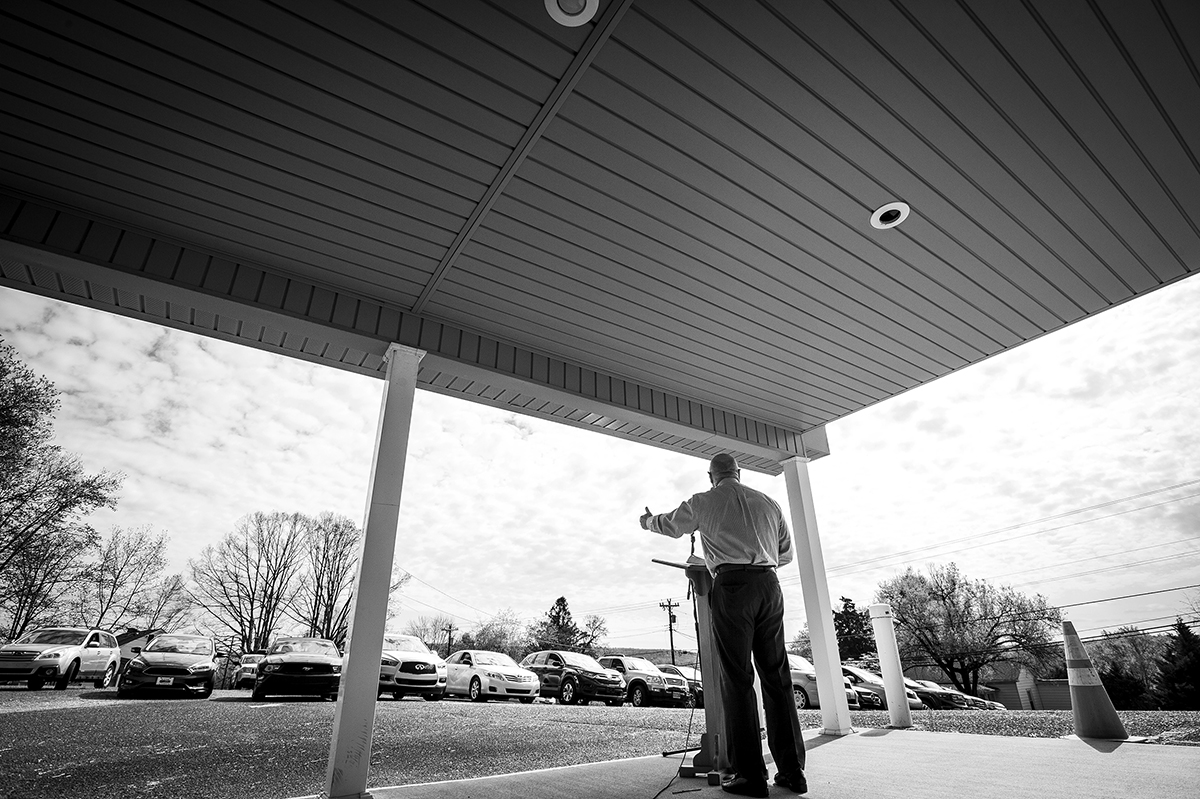
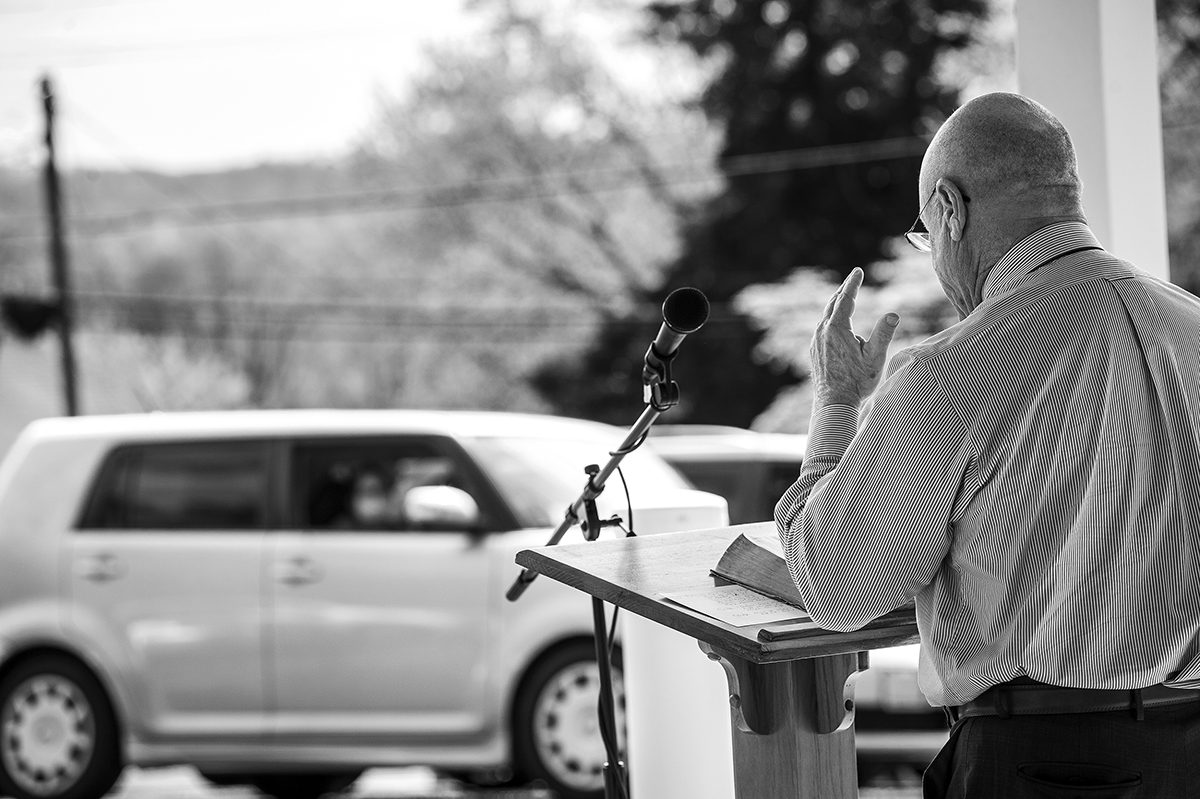
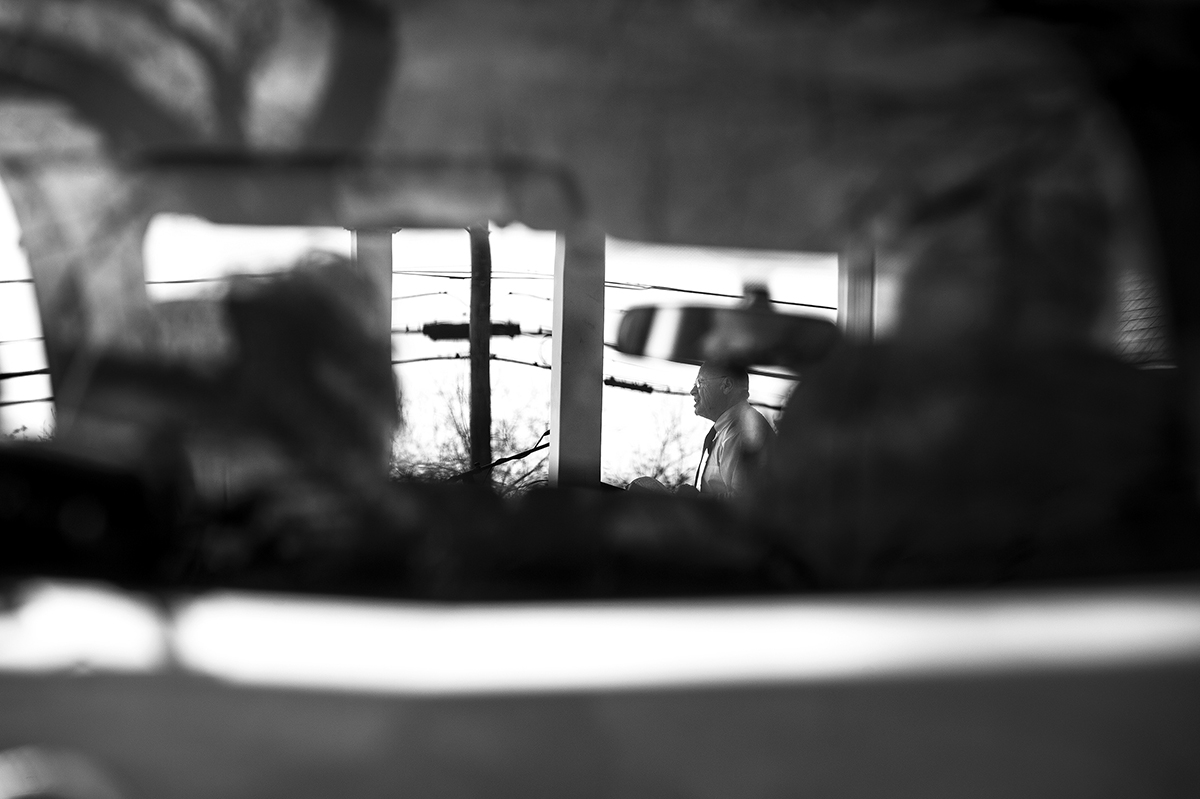
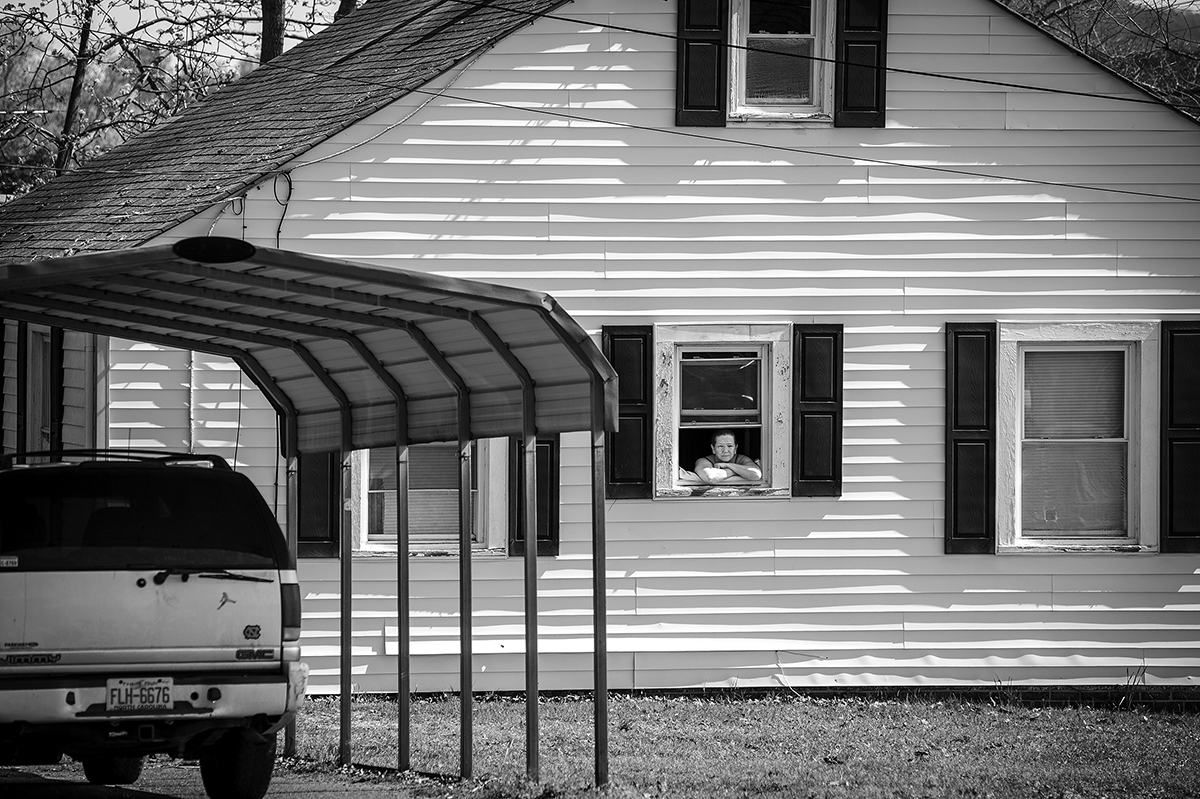
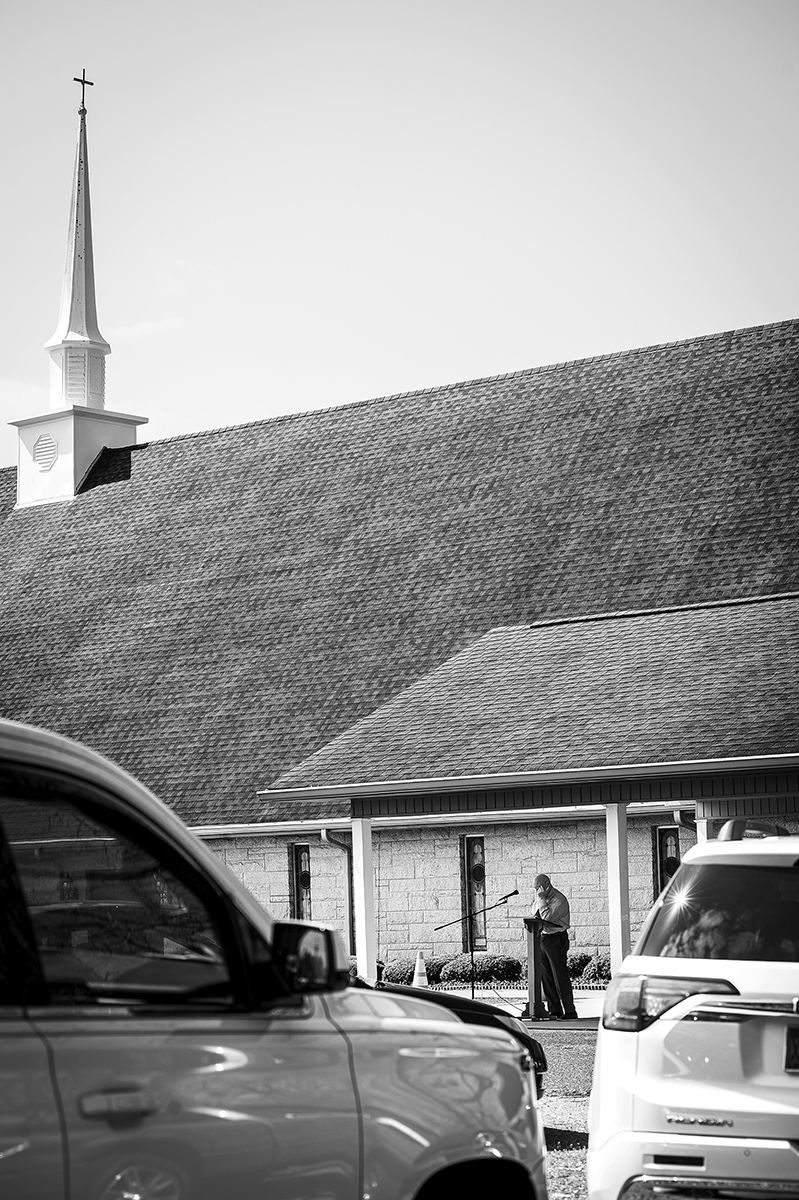
Back in the heart of Mount Airy, nestled in the warmth of Flat Rock Baptist Church, my roots run deep. Generations of my family found solace within the church walls. It had been a while since I last stepped into the space that cradled both my upbringing and the final farewell to my beloved grandmother. During the pandemic, this town is where I found myself inhabiting Grandma’s old house which is only separated from the church by a graveyard. In the midst of this small town’s struggles, I heard all the churches were closing and it really struck a chord with me because in the south, churches don’t close during hard times. This is where people want to be in a time of need, worry and uncertainty. For his congregation, Pastor Rusty Reed came up with the innovative solution of a Drive-In Church service. While in the parking lot listening on an AM radio station, parishioner’s cars would transform into havens where all could tune in to the pastor’s comforting words. As I embarked on documenting this extraordinary chapter in my town’s history, I chose to capture it in black and white photography knowing the monochromatic palette would deepen the importance of the narrative. To me, black and white supports and keeps the story quality timeless and deep by stripping away the distractions of color. My goal was to emphasizes some of the simple, raw emotions of the community bound by faith during their moments looking for unity.
APE contributor Suzanne Sease currently works as a consultant for photographers and illustrators around the world. She has been involved in the photography and illustration advertising and in-house corporate industry for decades. After establishing the art-buying department at The Martin Agency, then working for Kaplan-Thaler, Capital One, Best Buy and numerous smaller agencies and companies, she decided to be a consultant in 1999. Follow her at @SuzanneSease. Instagram
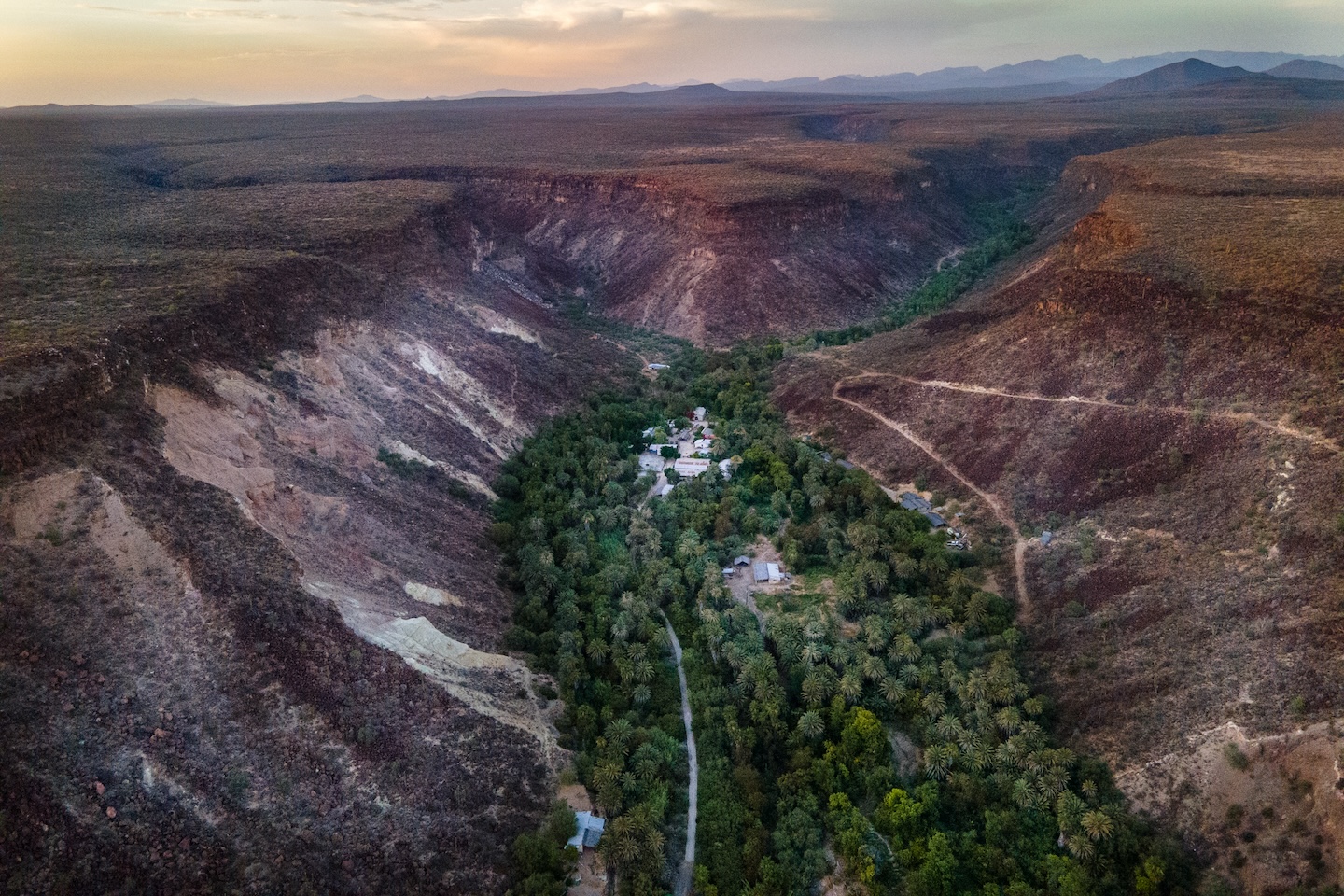
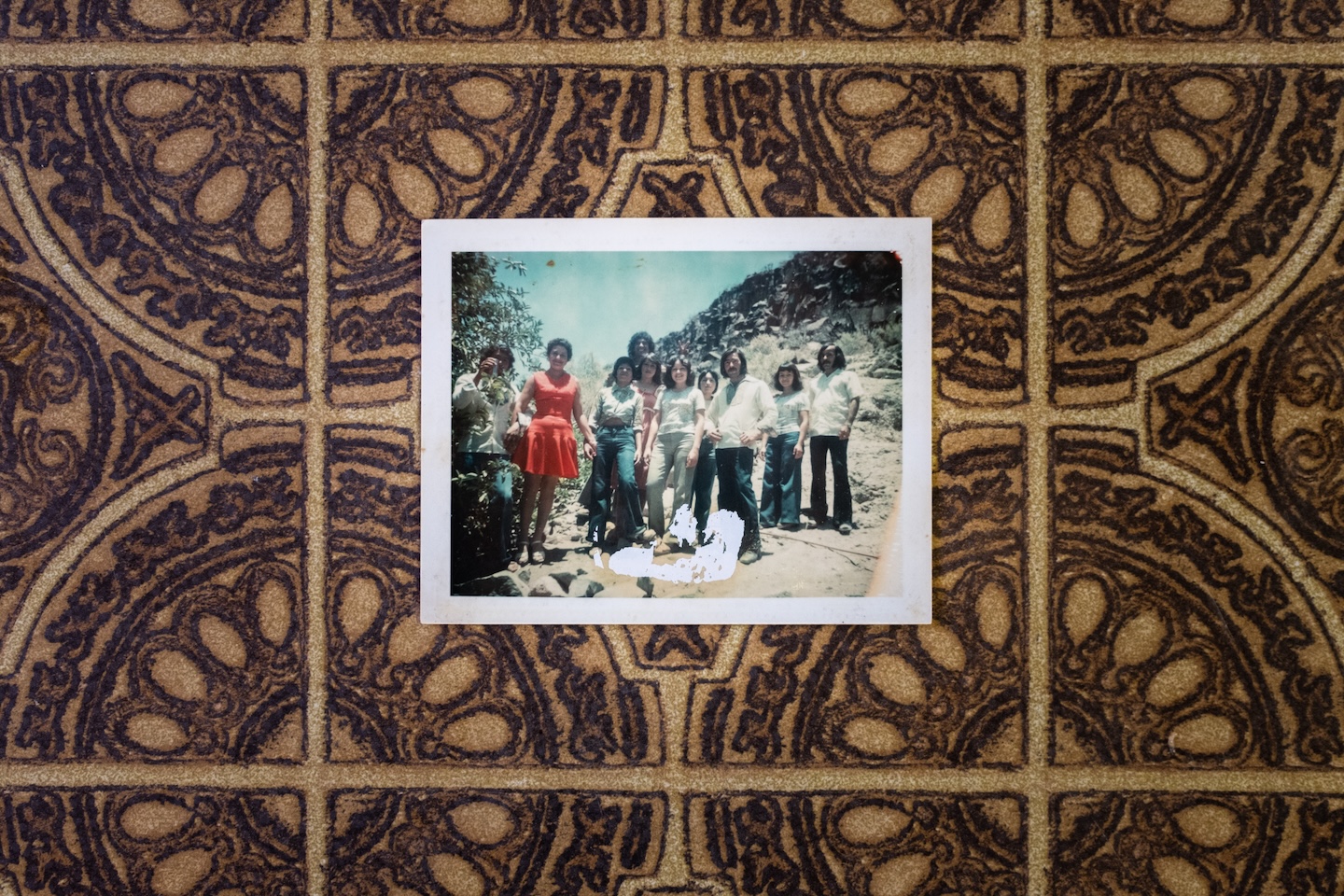
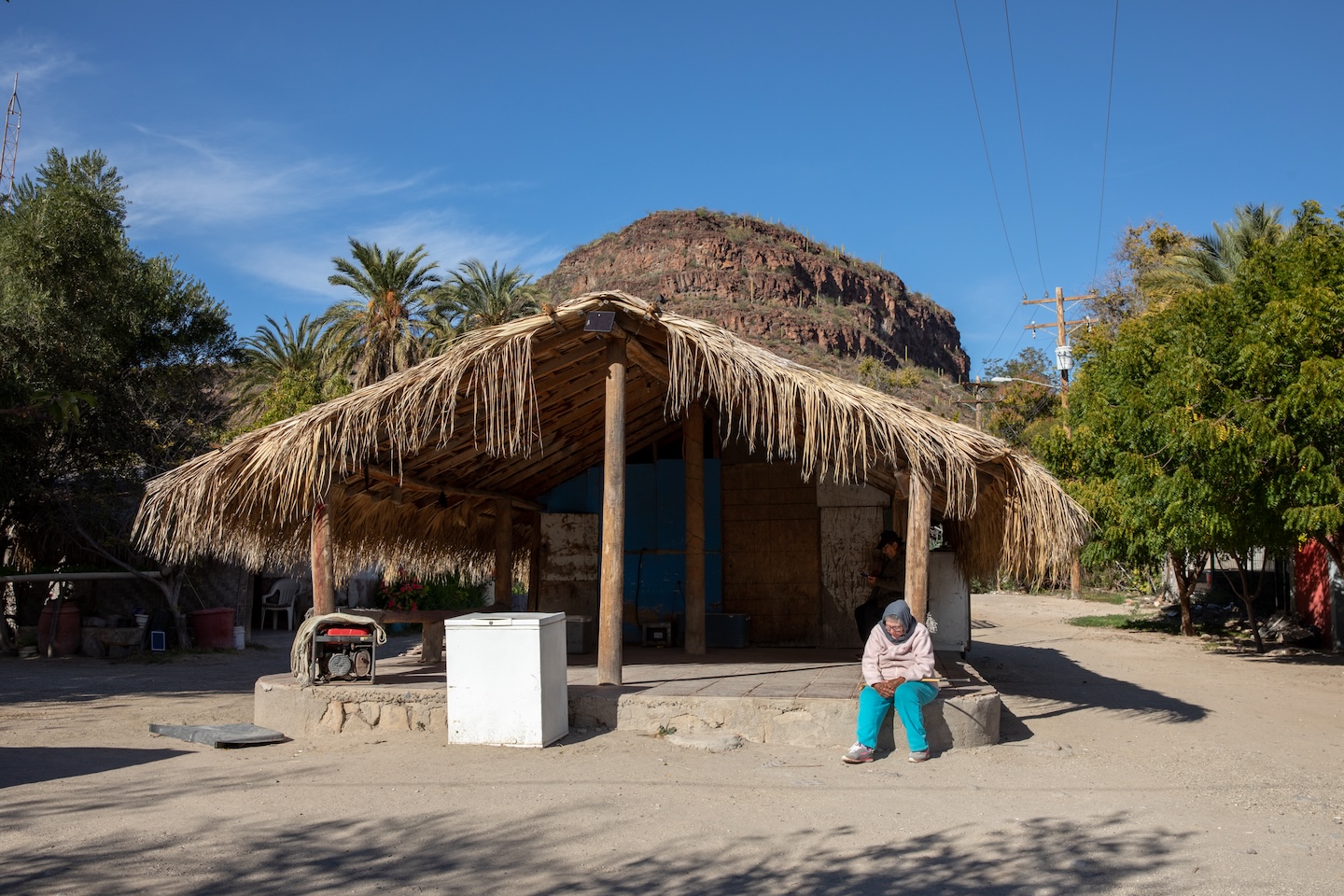
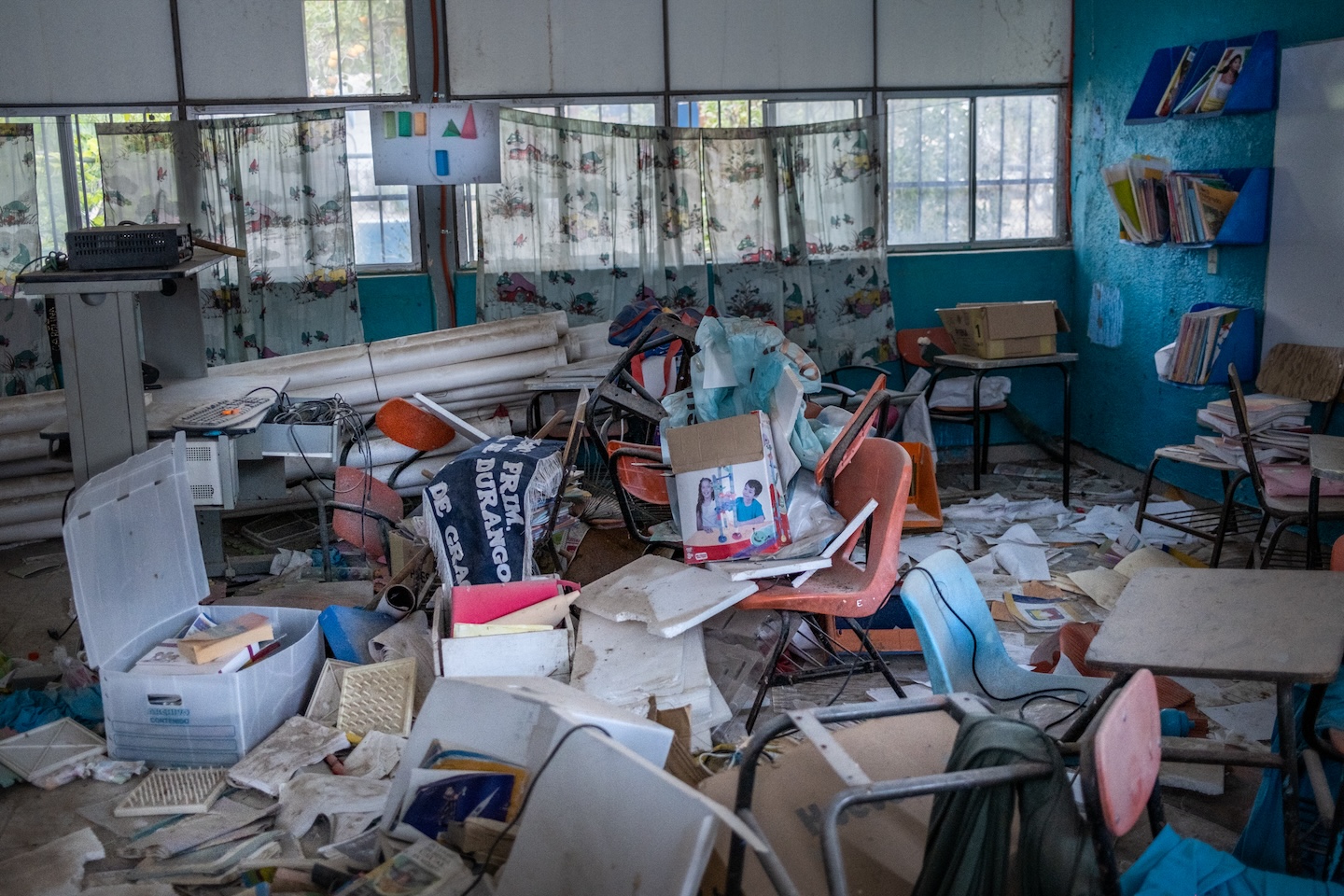
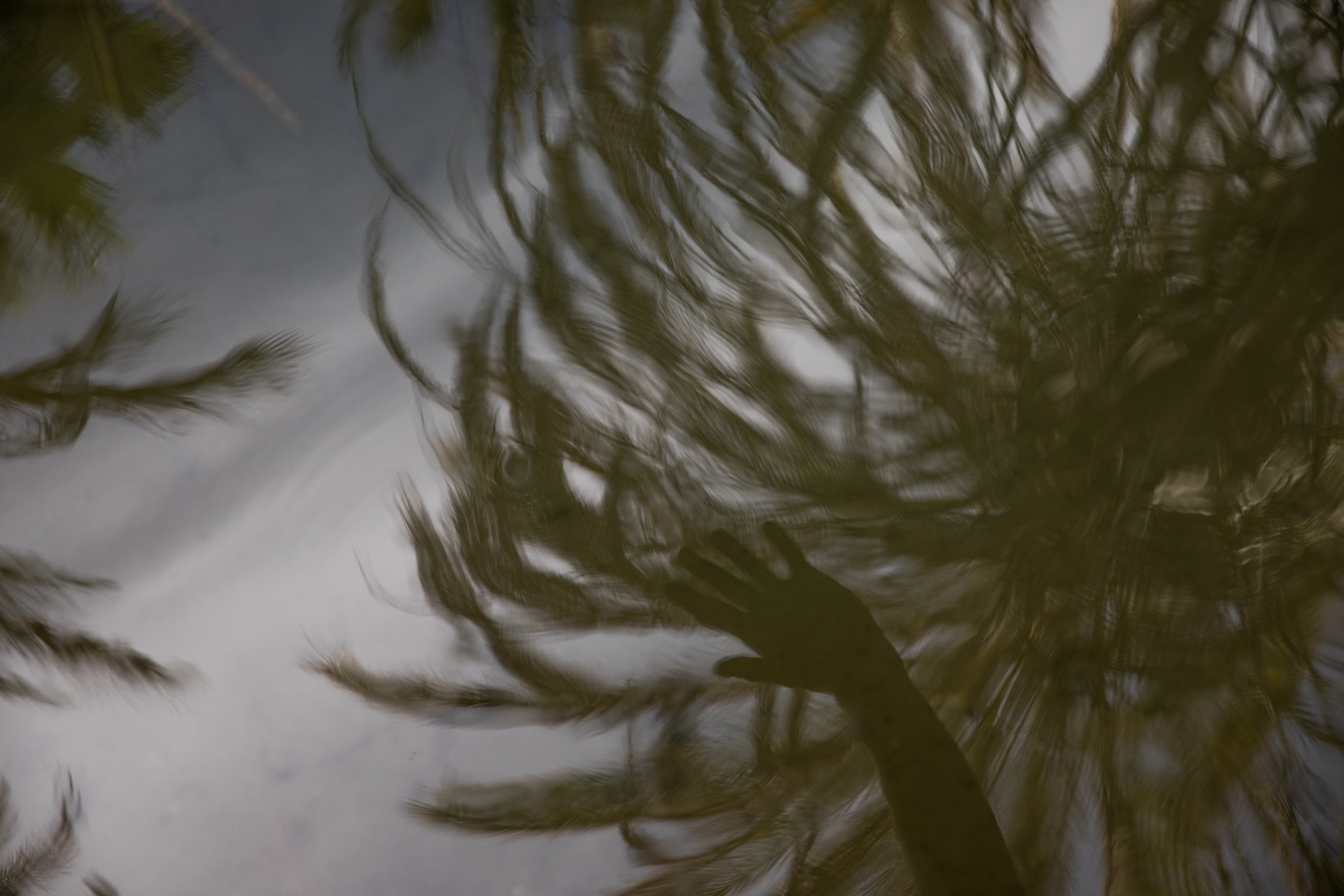
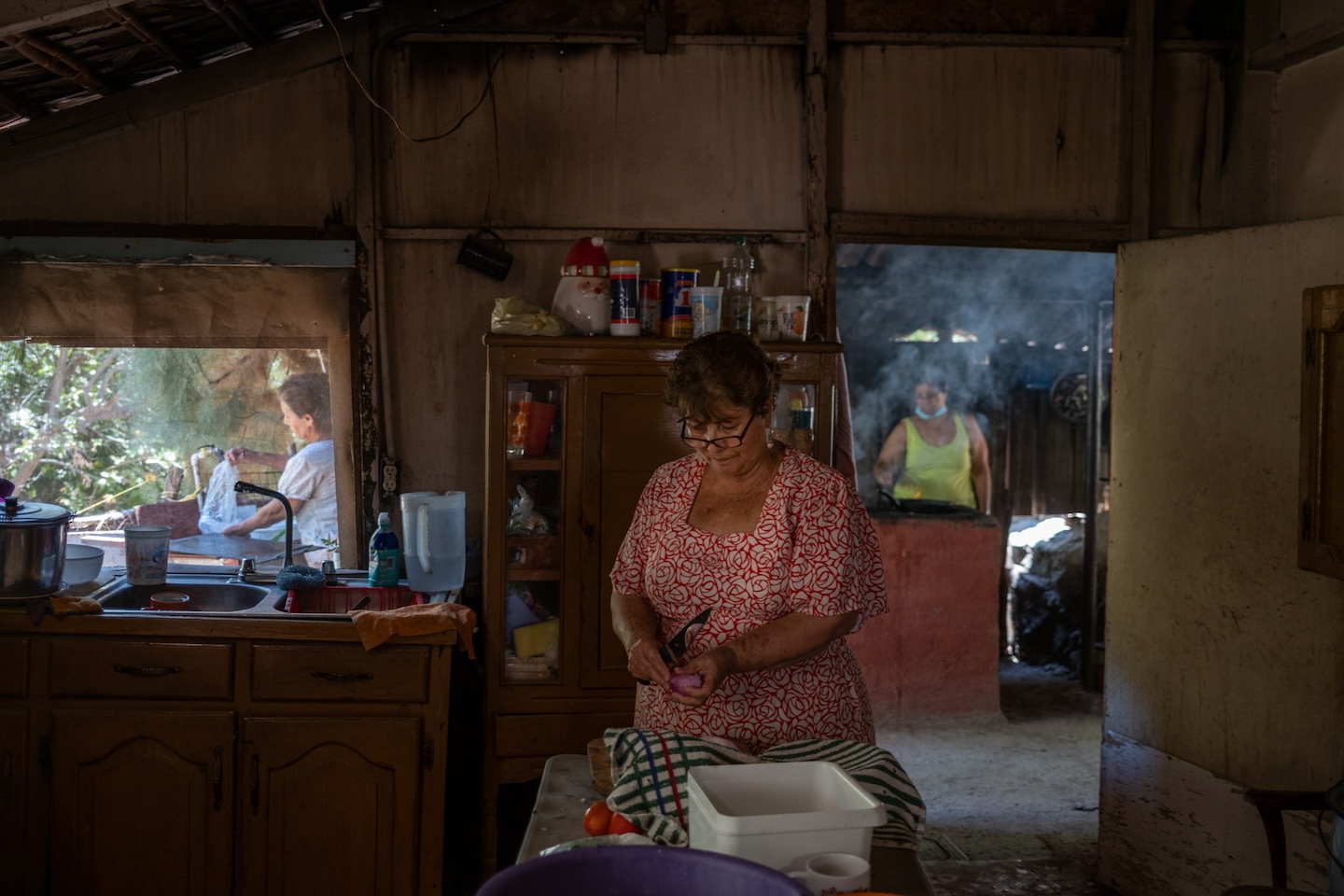
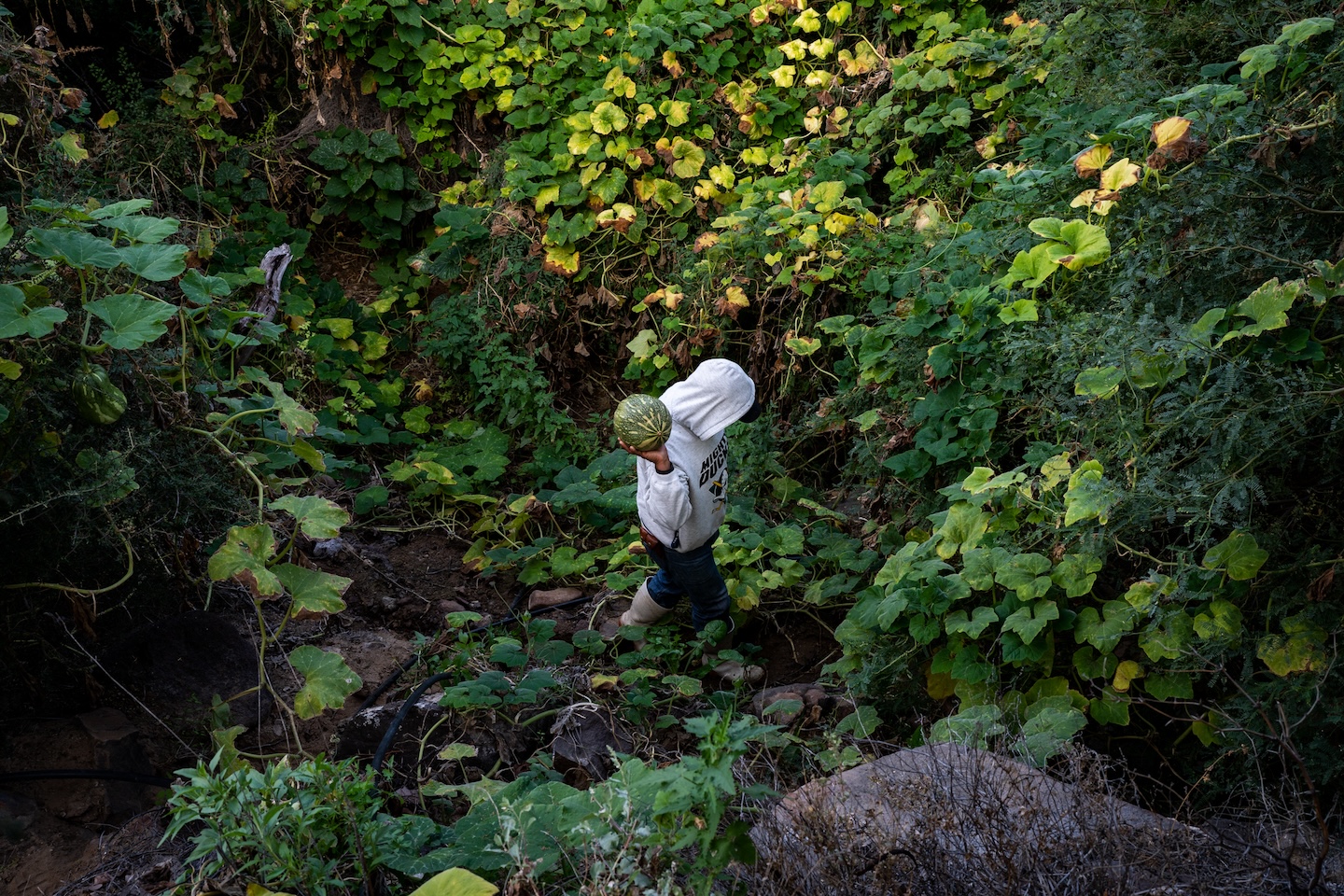
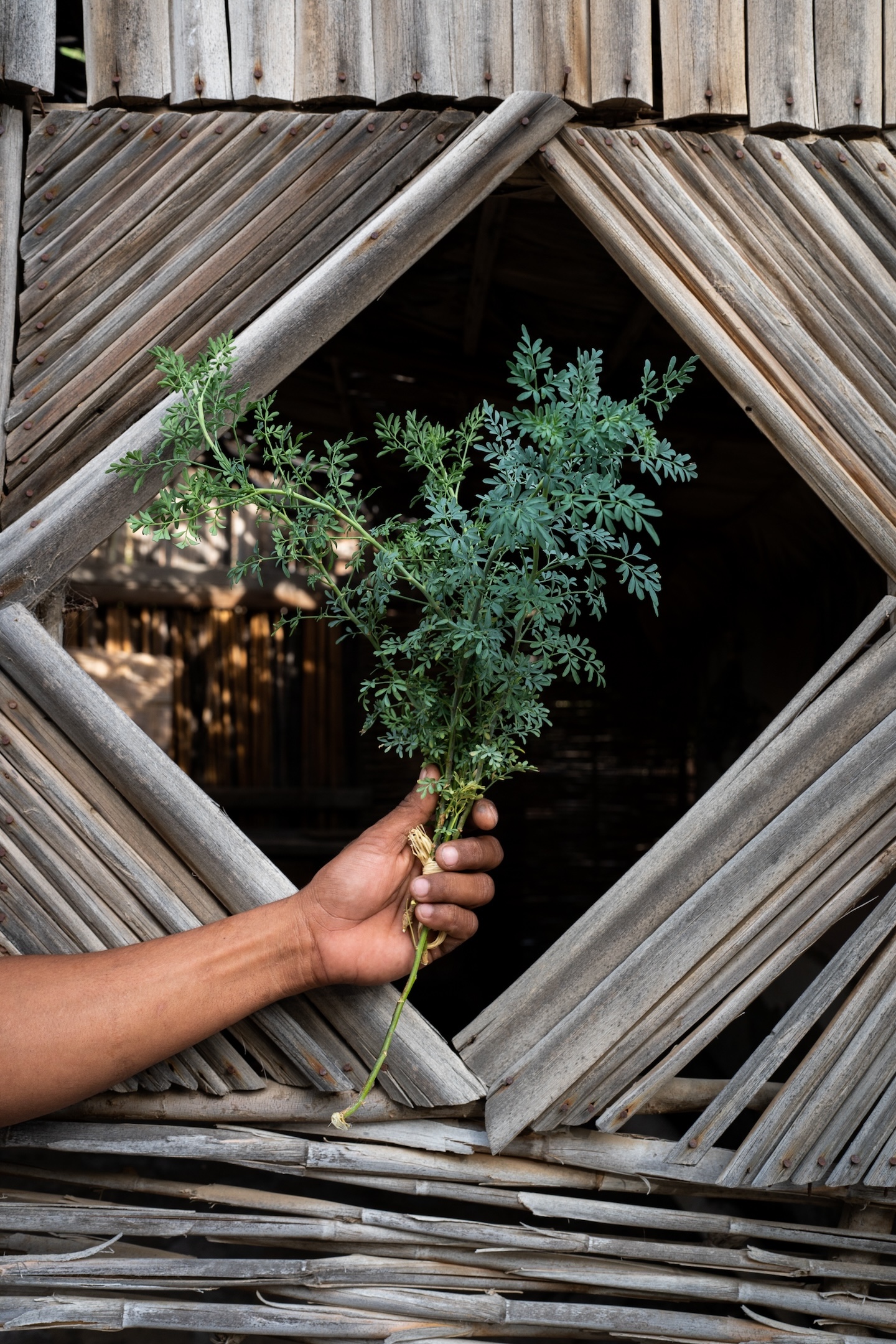
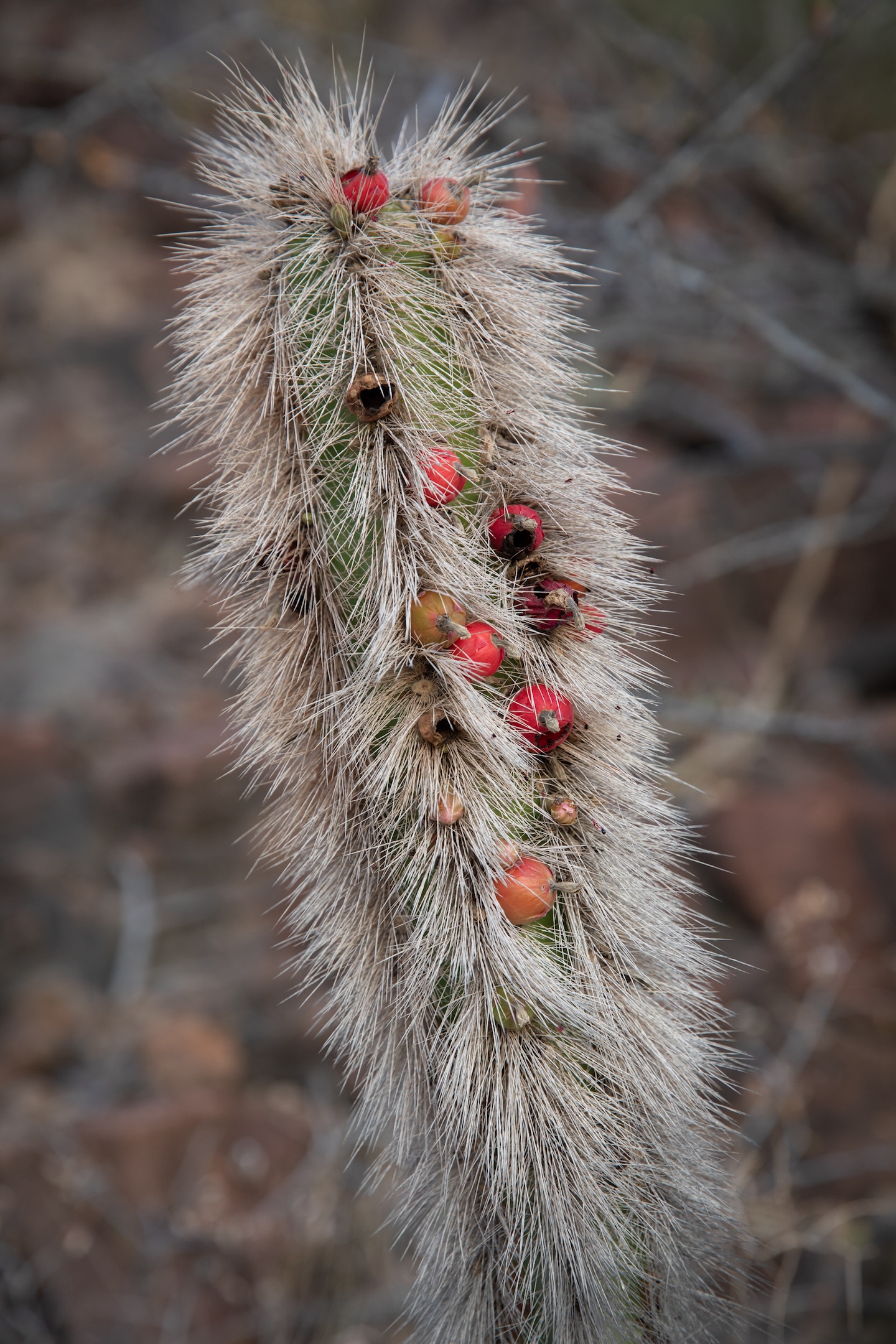
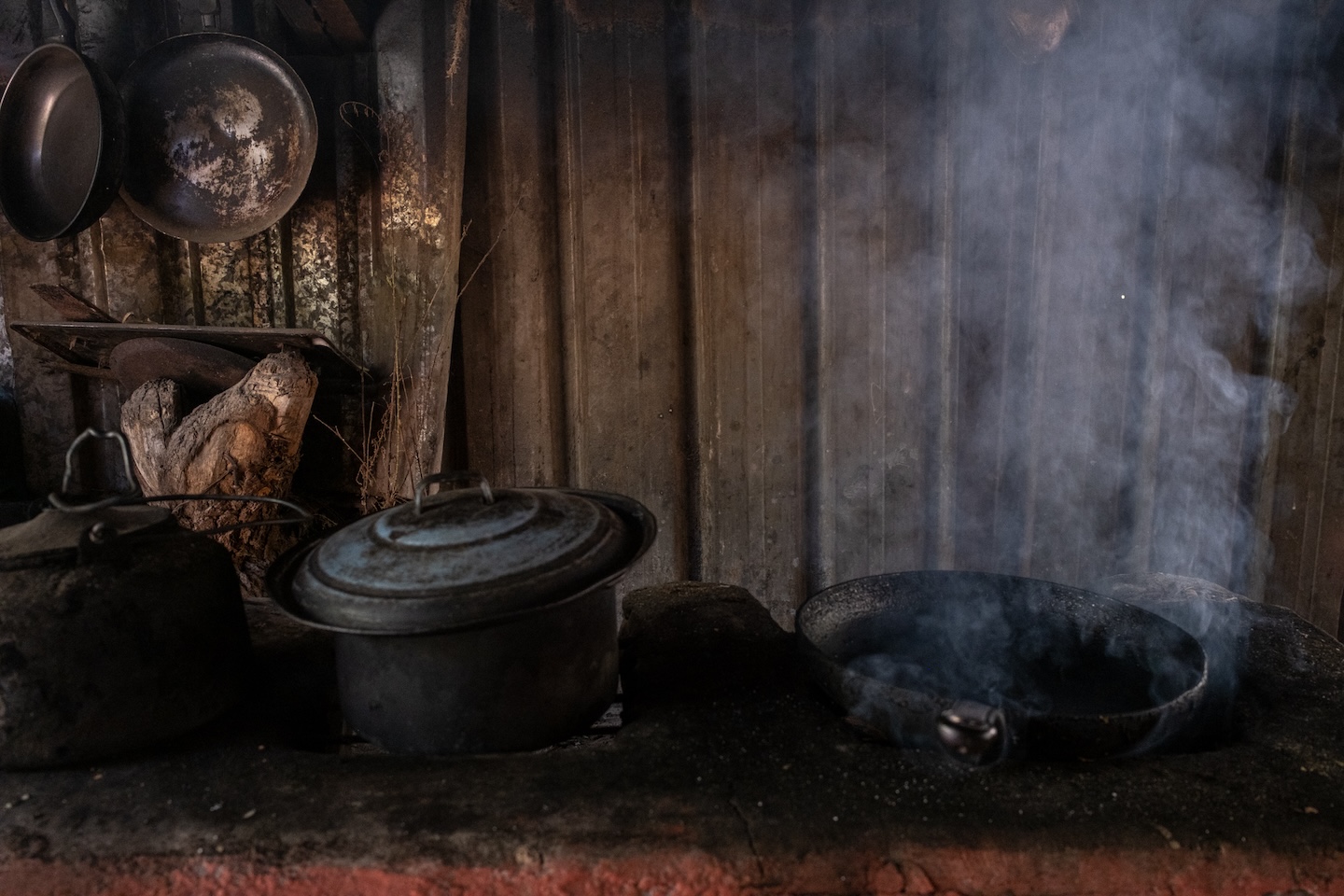
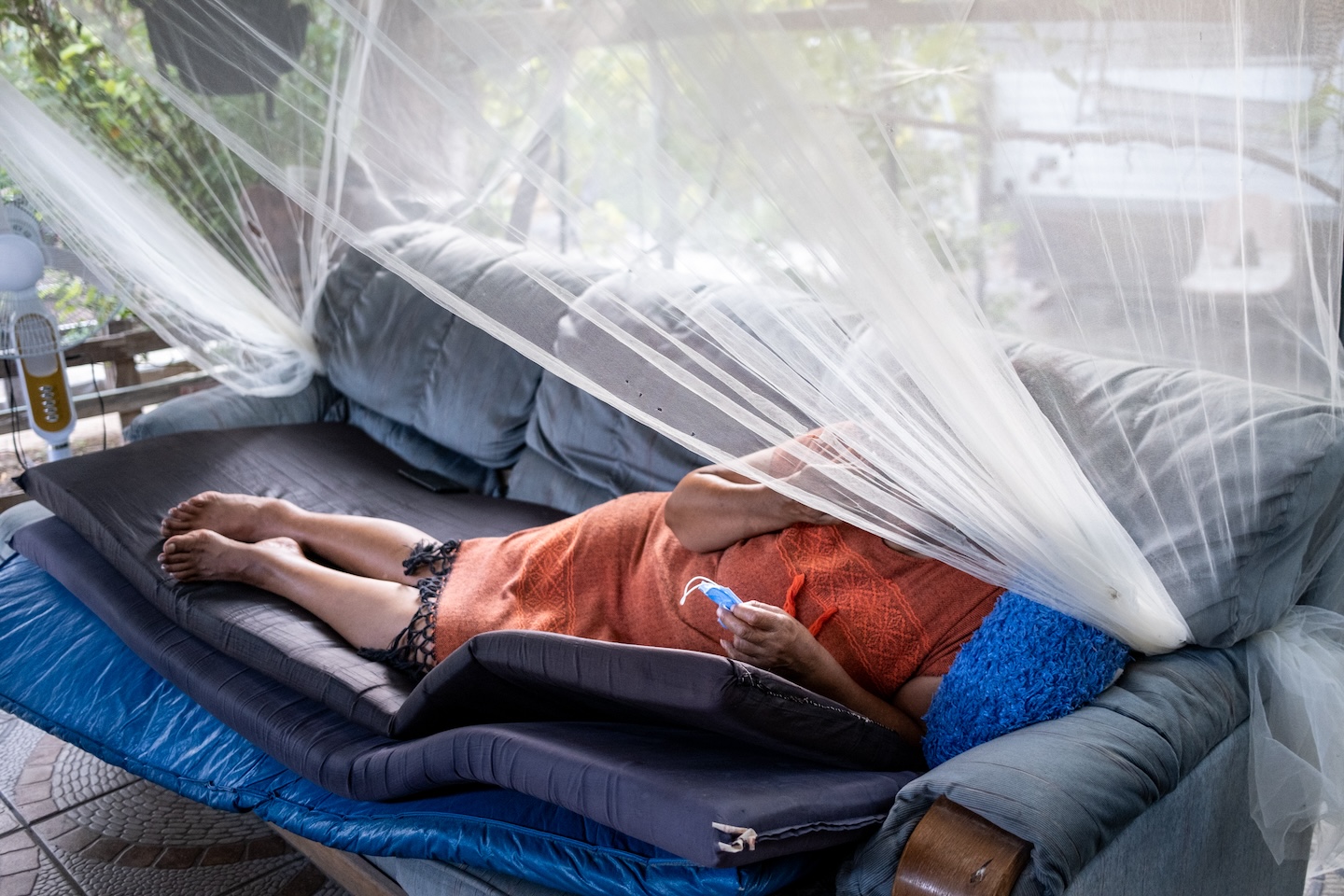
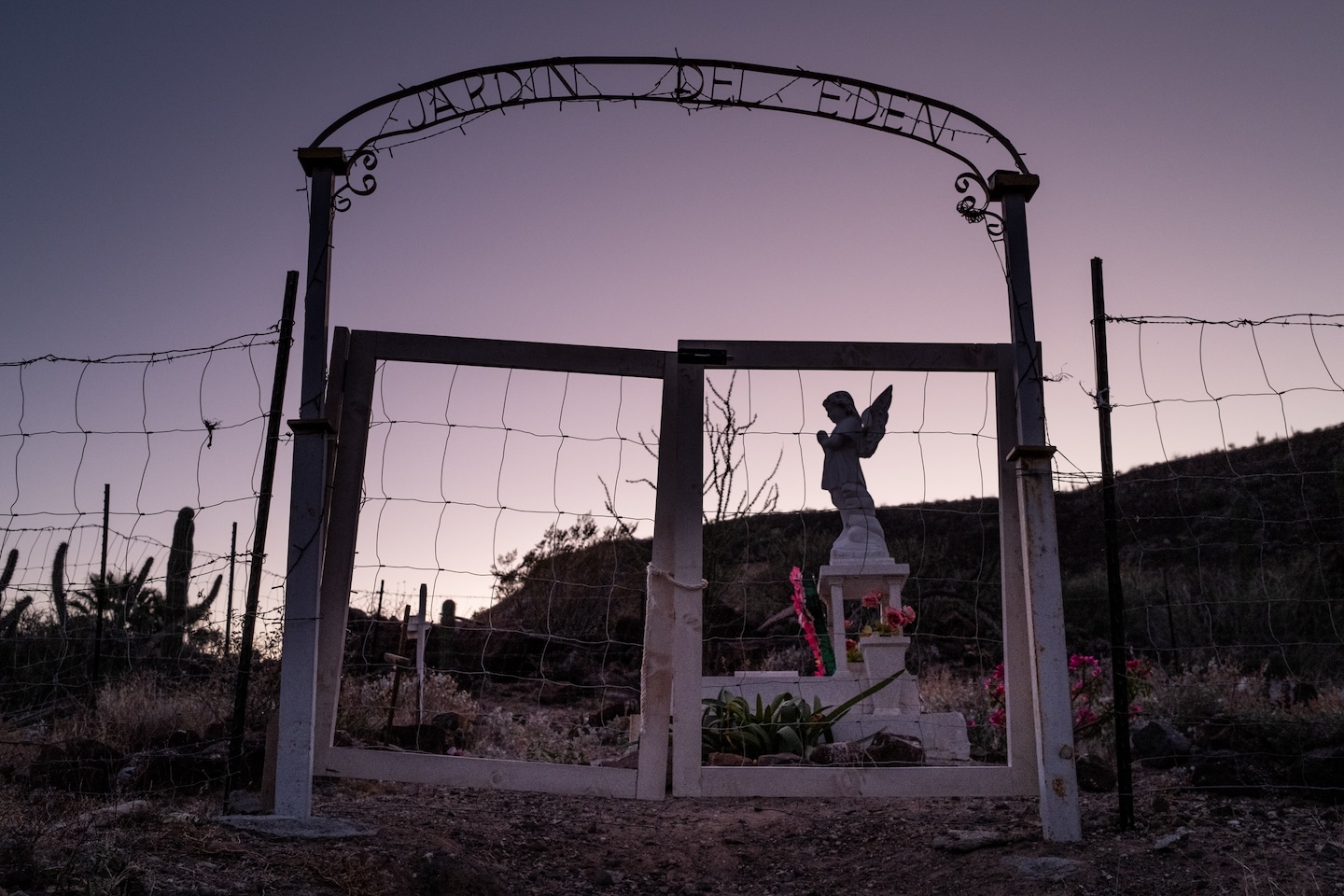
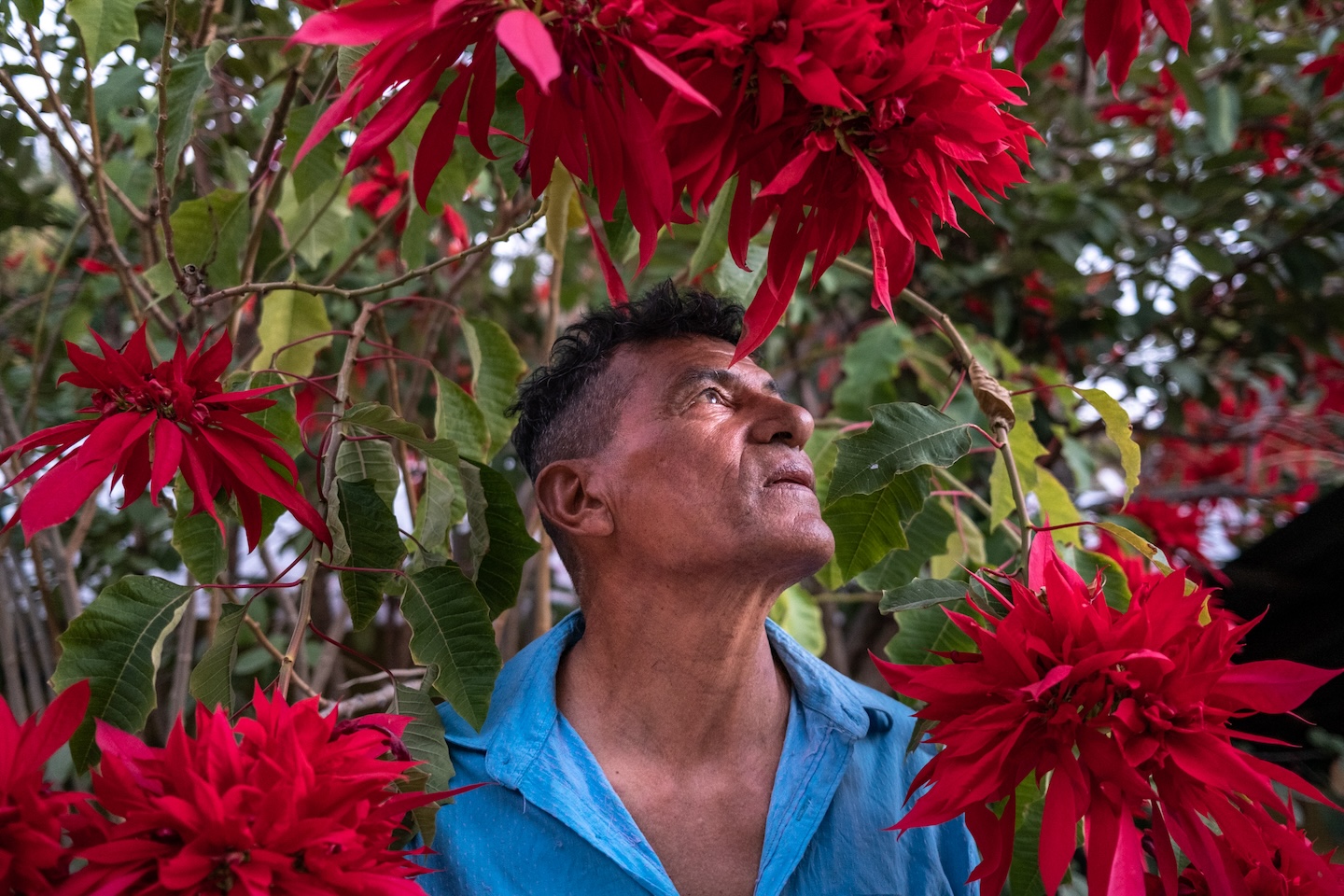
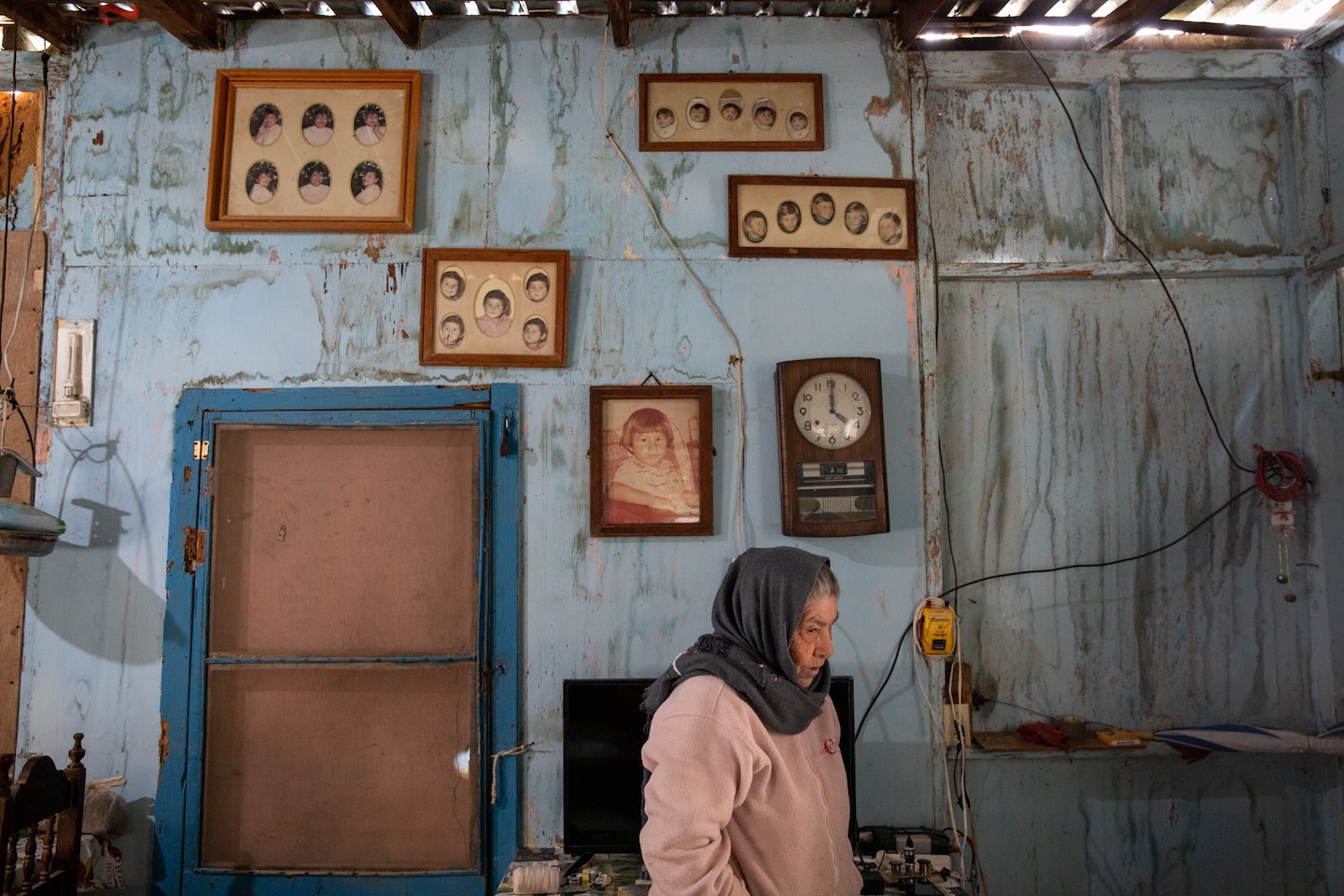
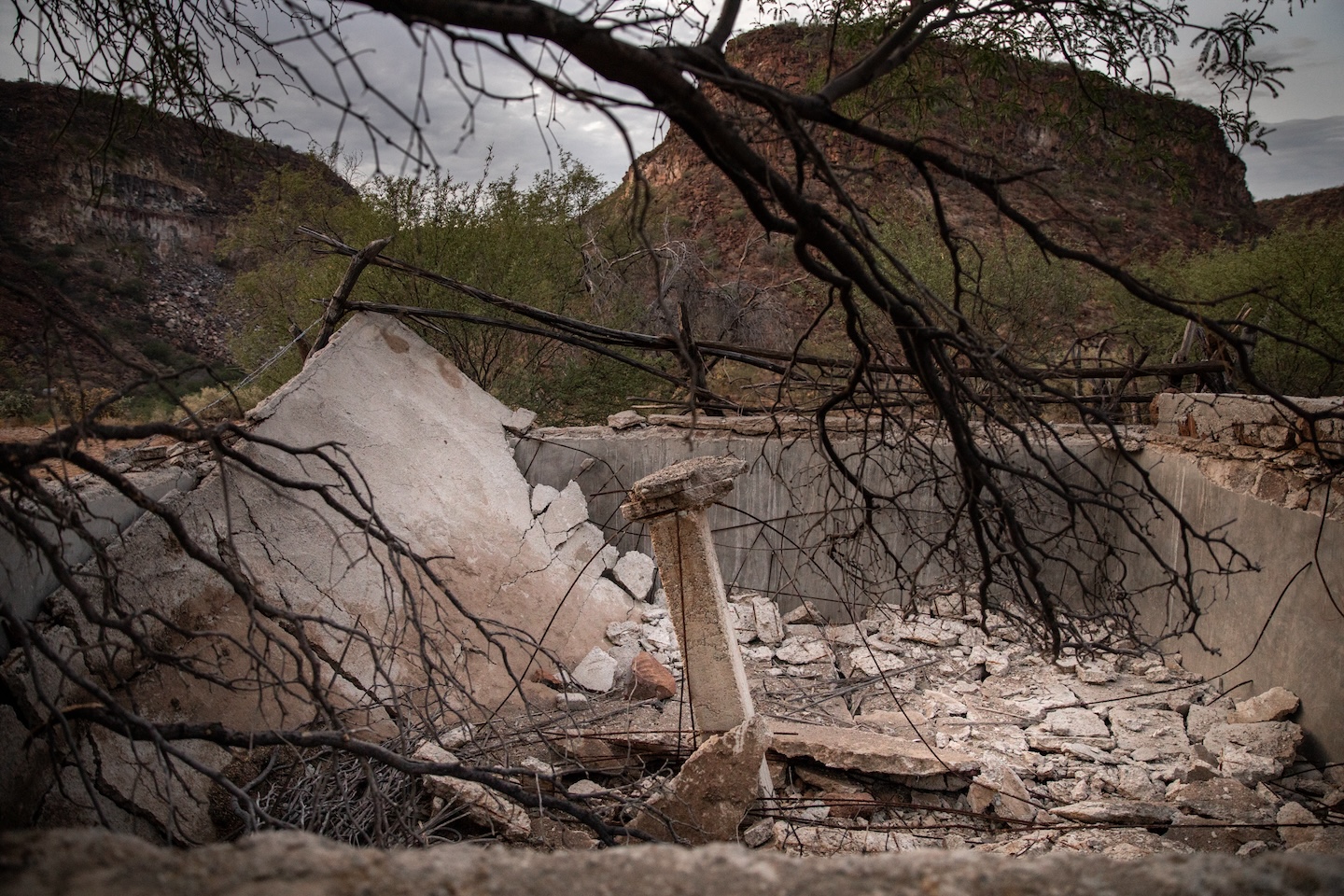
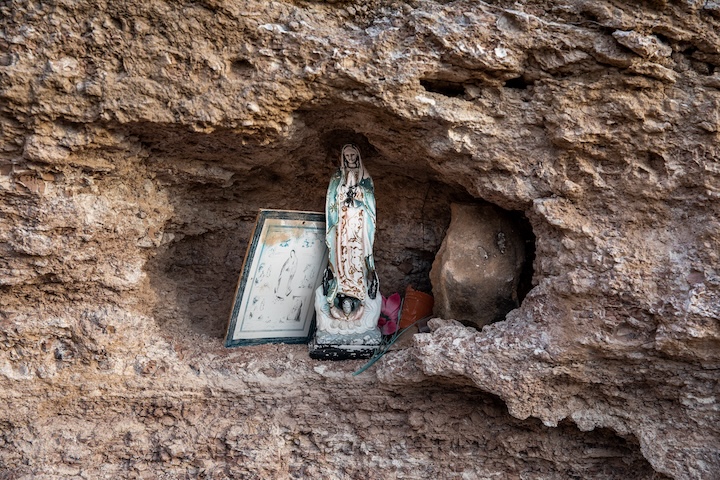
An aerial view of San Jose de Gracia – a community nestled in the middle of the Pacific coast of Baja California, Mexico, July, 2021. The community claims that it was founded 200 years ago, but today there are only 21 members left living in the community. As with many other small communities, water is the reason why they were able to settle and live in their surroundings. However the rainy season has shifted, leaving their community without a waterfall flowing off the canyon as one used to.An archival photo lies on an old table at Chancha’s house in San Jose de Gracia, Baja California, Mexico, January 17th, 2021. The town was founded almost 200 years ago. With only 12 people left living in the community, and no younger up and coming generation, the community is at risk of disappearing, and along with it, their collective memory and tradition.Juana sits across from her house in the center of the town, San Jose de Gracia, Baja California, Mexico, February 2022. It was just recently that the community finally had internet during the daylight hours. The community now uses the central palapa to gather and use the internet.All the young families migrated away from the community leaving empty classrooms and abandoned houses, San Jose de Gracia, Baja California, Mexico, July 2021. The future of the younger generation is uncertain, pushing them to migrate to other cities, and even countries, finding new ways of life.A reflection of Enrique’s hand, San Jose de Gracia, Baja California, Mexico, February 2022. Enrique, 38, moved to the community two years ago with the hope to start a small clinic. His dad was born and raised in the community and is now teaching him about all the medicinal plants in the area.Andrea Murillo, Irma Murillo and Norma Murillo (from left to right) share a kitchen to prepare a meal in San Jose de Gracia, Baja California, Mexico, July 2021. The three of them were born and raised in the community, but only Norma still lives there. Norma’s daughter migrated for better income opportunities to the closest active community almost two hours away from San Jose de Gracia. While we sit and share a meal, they recount stories of how they used to make dresses, dance and always have big shared meals with the community.Rumaldo harvested a pumpkin in San Jose de Gracia, Baja California, Mexico, January 2022. He is the only one left in the community that dedicates most of his time to cultivate and harvest foods like they used to do in the past. He was born and raised in the community, but he is hoping to move to his own ranch in the near future.Enrique holds a bunch of Ruda, the slang for this wild herb that grows in the area of San Jose de Gracia, Baja California, Mexico, January, 2022. The plant was well used in the community to cure ear infections and for pesticide.Garambullo can be found in the area of San Jose de Gracia, Baja California, Mexico, July 2021. This sweet and small fruit, red or purple in color can be eaten or used for medicinal purposes.Andrea Murillo, Irma Murillo and Norma Murillo share a kitchen to prepare a meal in San Jose de Gracia, Baja California, Mexico, July 2021. The three of them were born and raised in the community, but only Norma still lives there. Norma’s daughter migrated for better income opportunities to the closest active community almost two hours away from San Jose de Gracia.Crecencia was born, raised and had her own children in the community that once was her home, San Jose de Gracia, Baja California, Mexico, July 2021. She moved away from the community to raise her own children, but in the Covid-19 pandemic she recently moved back to the community. Her knowledge for the area, especially the herbs and plants is irreplaceable. She wonders what will happen to the place once she dies and there is no younger generation to pass the land along to.The kids cemetery in San Jose de Gracia, Baja California, Mexico, January, 2021. The small community has at least four different cemeteries generationally identified. For vulnerable communities like this one, the risk to their members is the decreasing ability to sustain a living off the land as climate change continues to impress what seems like irreversible change in Baja California, Mexico.A portrait of Miguel Murillo, in the land where he was born and still lives, San Jose de Gracia, Baja California, Mexico, January, 2021. Miguel is leading the harvest of the mango crop, weaving old techniques in with his hope that mango production will revive the community by attracting more people.Juana keeps warm in her house in San Jose de Gracia, Baja California, Mexico, February 2022. Juana is the oldest of 11 brothers and sisters. She was born and raised in the community. “It was never this cold in the winter,” she said. The community have all been claiming the unusual temperatures that they have had.An abandoned house in San Jose de Gracia, Baja California, Mexico, July 2021. The population of San Jose de Gracia has been decreasing for the last few decades. A recent census shows how in the past 15 years it has lost 51 members of the community resulting in no younger generation to carry forward the traditions. Many houses have been abandoned, left to deteriorate into the landscape.Ornaments are placed in a rock crack in the mountain next to the canyon in San Jose de Gracia, Baja California, Mexico, July 2021.
Heidi: How did you learn about this community and the impacts of climate change on this once-thriving area? Sofia: In 2020 while traveling through Baja California, Mexico with my family in our 1978 Mercedes Fire Truck. On New Year’s Day, we decided to commit to a 6+ hour dirt road to chase some waves. It was out there. We had never been so remote with the van. We were only 7 km away from the town, right at sunset, we were stoked and relieved that we were almost there, when we felt a huge pull in the van and we saw our back wheel driver side wheels sliding off the axle. We were then stuck for 3 days, on the side of the dirt road.
The local mechanics tried everything to avoid a four-hour drive by truck to the closest town to help us move the van. They finally worked their magic and we moved the van into town. We were stranded on the oceanfront and surf paradise for over six weeks.
In my time there, I was so curious about the area. In just a few days we met so many locals. At this time, I was already developing a story about the small fisherman communities and their struggles to sustain a living. On one of my daily trips to the beach, I met this one American woman who shared with me that I had to visit a community located 2 hours away. She then described it as something you will never find in Baja. I was immediately so curious and before you knew it I was driving with her to the community to spend an entire day out there. I was hooked. As soon as I got there it felt to me that I was witnessing the past in the present moment. I fell in love with the slow pace and the old tales you could feel hanging in the air. It was a sense that these are the last keepers of this community.
Most of my work focuses on climate impacts and I was already reporting on the fishing community and how they were being impacted by the changes in the weather patterns and climate change, I immediately started questioning how the canyon community was affected. I then learned about the lack of rain, the unpredictable weather changes, how this is affecting the existing crops, and how the one and most important life source, water, has been significantly decreasing over the years.
Despite the unforgiving landscape and harsh living conditions – you found pockets of hope and resilience – when did that begin to unfold? Since my early 20’s I have been always roaming around in and out of small villages in Latin America. It really didn’t take long for me to discover the joy that there is in simply living in a community surrounded by nature. The joy comes from just feeling that nature provides everything you need. Many times I have encountered travelers or outsiders thinking that these communities are poor, the truth is that they don’t have much, but also they are content as they are. I don’t want to sound naive, I am aware that there is a lot of poverty and in many cases, people there do desire more and they end up choosing another way of life. It’s complicated. Today fewer people choose to live in this way, and most refuse it. But there is still a small portion of close communities that do enjoy it, and they do want to preserve their heritage. That’s what I found in San Jose de Gracia.
In the San Jose de Gracia community, the land has provided for them, daily. They also have a long relationship with it. They are part of it. Most of the people were born there and still live there to this day. The memories are everywhere, and I found this created so much joy in them. It goes full circle. The land provides and they will become a part of it, no matter what, and I call this resilience.
When did the photo project begin? I have always been intrigued by slow-paced stories. The stories that are not often “dramatic”. Stories that can speak of daily life with ordinary people. I think there is so much to learn from them. The idea of photographing someone in a remote location who is simply living sounds extraordinary to me. Eugene Richards once said “People’s lives are revolutionary in little ways.” I love this. I love ordinary moments, just a detail that we can all relate to.
So, going back to the question, I think this photo project began even before I went to the community. When we lost our van wheels and were stranded, I just knew everything was happening for a reason. And then I heard about San Jose de Gracia and I just knew that was why I was there.
How did you approach storytelling within a community of just 21 people?
I often approach any story, assignment, or project the same way. I never make a plan. I like the feeling of seeing where the story and the photographs take me. I might walk into the story with an idea of how I wanted to approach this kind of work, but then the work starts showing me it’s way, and dictating how it should be displayed and photographed. There was one thing I knew, that I wanted to be collaborative. I wanted to provide the community a space to tell their story.
When I decided to focus on the intersection between climate and cultural heritage I immediately knew it would be beautiful to ask community members if they wanted to draw places in the community that have changed over time. On one of my trips I brought with me paper and a lot of pencils and what they drew was so beautiful. I was able to see into their past. They started drawing their memories. So what started with just photographs, ended up with archival materials, drawings, and photographs. Patience and time are key in projects like this. I think it is important to challenge the conventional way. When we let the people that we are photographing take part in it, something magical happens, a new depth is created.
Congratulations on your Pulitzer Center’s Eyewitness Photojournalism Grant – was that always a goal for this work? When you spend several years working on a project, you need financial and community support. What I liked the most about the Pulitzer Center was the opportunity to be part of a community of storytellers and reporters. I was excited about the opportunity to share my work through their teaching programs. Over the past years, I have had some opportunities to share my work with students learning about climate change and Mexico here in the USA, which was so rewarding. It also gave me the chance to connect with other storytellers working on climate change stories.
How will this work evolve? It is constantly evolving. It’s like every relationship.
Sometimes my mind works like a filmmaker. I am not your classic photographer who will come back with this one frame that encapsulates everything in one photograph. I do very much love this idea of a photo story. This series of photographs can compose a story. It is my favorite thing. I am obsessed with it. One image will reveal the next and so on. I also love audio. Today I am working on putting together a multimedia piece to combine the illustrations, photographs, audio, and a little bit of video. I like to experiment in my work. And I think in some cases photos are just not enough. I also like the idea of reaching a different audience by creating multimedia pieces.
How does memory and cultural preservation vs erasure come to life in this work for you? To me, it comes to life when people experience the work and can walk away asking themselves what would it mean to keep losing places and communities like San Jose de Gracia. The purpose of the work is not trying to answer any questions, it is trying to ask them. Behind the purpose of this work is the question that has driven me forward.
Creating a multimedia exhibit where people can experience the tension of preservation and erasure through the real-time experience of San Jose de Gracia has always been my goal. A place where you can feel in real time – these memories fading, traditions being washed away, and all that is left is their land while at the same time witnessing the few struggling to keep living in their way.
I hope it inspires US audiences to view migration as a shared challenge and instills a desire to live more sustainable lifestyles and preserve wild lands, sacred traditions, and cultural heritage.
How has being a mother, a wife, and living a determined and considered life impacted your work? Being a mother has been an extremely beautiful, and challenging journey. Especially because I decided to be a full-time freelance visual journalist at the same time, I became a mother. This was extremely painful because I wanted to be in the field for infinite hours. I have such a big pull for this work, but I couldn’t leave my kids behind. Sometimes I brought them with me. I did anything I could to keep working and being a present mother. It took everything out of me. I got burned out. I was up working most of the night and then up with the kids. It took a big hit in my relationship. I knew I didn’t have the luxury of time. So I told myself I needed to become good, really fast. I needed to be able to get the shot super fast. I trained myself to be very efficient in the field. I am not sure if I was always successful, but I know that when I’m shooting I’m working super hard to capture the right shots, not just a lot of shots.
The biggest way motherhood has impacted my work is that when I’m photographing someone, I am always aware that this person has a mother or children. Before photographing a person in a harsh situation, I always ask if it is worth it and how this photograph is going to benefit them. The way I feel and see photography today is not the same as it used to be before having kids. I think it is ok to challenge photography in this way. I love seeing all the new approaches by photographers to talk about migration, racism, climate change, and other topics.
During covid you took your kids traveling – nature was the classroom – tell us more about that.
My favorite memory was a trip we did in the Green River where we decided to follow the John Wesley Powell journey and the pioneers. It was so much fun. We bought a book and learned about their journey, went to the museum, and took the kids on some multi-day kayak trips in the Green River learning about their journey and what it looked like to that trip back to them. It’s my favorite memory from that time. I still dream about paddling more sections of the Green River with them!
Here’s how photographers recommend dealing with stolen images.
Always register your images with the Copyright Office which will then allow you to collect a maximum of $150,000 for each infringement if it was willful.
Several software companies are recommended for tracking stolen images and getting settlements.
Ultimately a lawyer will get you the best settlement and take less for their fee.
Ideally you register your images within 3 months of publication. You can still register after the infringement which allows you to sue in federal court. Registration also gives you the ability to collect attorney fees which raises the stakes considerably when you consider the infringer paying for both attorneys and damages.
@cameron.davidson.photo
I use Visual Rights Group to track-down image theft and they have been very successful for me.
@scottseriophotos
ImageRights for me since 2015.
@catebrownphoto
There’s ImageRights, Visual Rights Group, and Copycat Legal to name a few
@charliornett
I’d recommend checking into Copyright Agency
and Pixsy:
@mscottbrauer
Pixsy has been ok, for me. Most settlements have been for a few grand, and a few have been between 10k and 20k. I register all my work, which helps get higher settlements
@tinacci
Pixsy has worked for me over the years though the process is definitely very slow.
Others report that pixsy drops cases regularly, settles for less, and if they use an outside attorney you get 25%.
Many recommend using pixsy to track infringement then engage a lawyer to settle:
@david_paul_larson
There’s been many of these companies over the years. You’re getting peanuts to what a real lawyer would get you. The max my lawyer takes is 40%. Usually about 30%
Here are recommendations for IP lawyers:
@toddspoth
Look up attorney David Deal and tell him I sent ya! Thank me later!
@laurengrabelle
Higbee & Associates is reputable
@meredith_bruner
@mad.ip.law @bmadanat as an intellectual property law recommendation.
@robertfreundlaw I believe handles this.
@chrismurrayproductions
@mpkelley_ Mike Kelley has a website called @apalmanac .
They are a treasure chest of information. If you reach out to AP Almanac they can refer you to the right attorneys. Super legit.
@sampson.photography.fl
Attorney Rachel Brenke (@thelawtog) handles this type of work
@brentdanielsphoto
Imagerights has a great IP lawyer in Australia
The Art of the Personal Project is a crucial element to let potential buyers see how you think creatively on your own. I am drawn to personal projects that have an interesting vision or that show something I have never seen before. In this thread, I’ll include a link to each personal project with the artist statement so you can see more of the project. Please note: This thread is not affiliated with any company; I’m just featuring projects that I find. Please DO NOT send me your work. I do not take submissions.
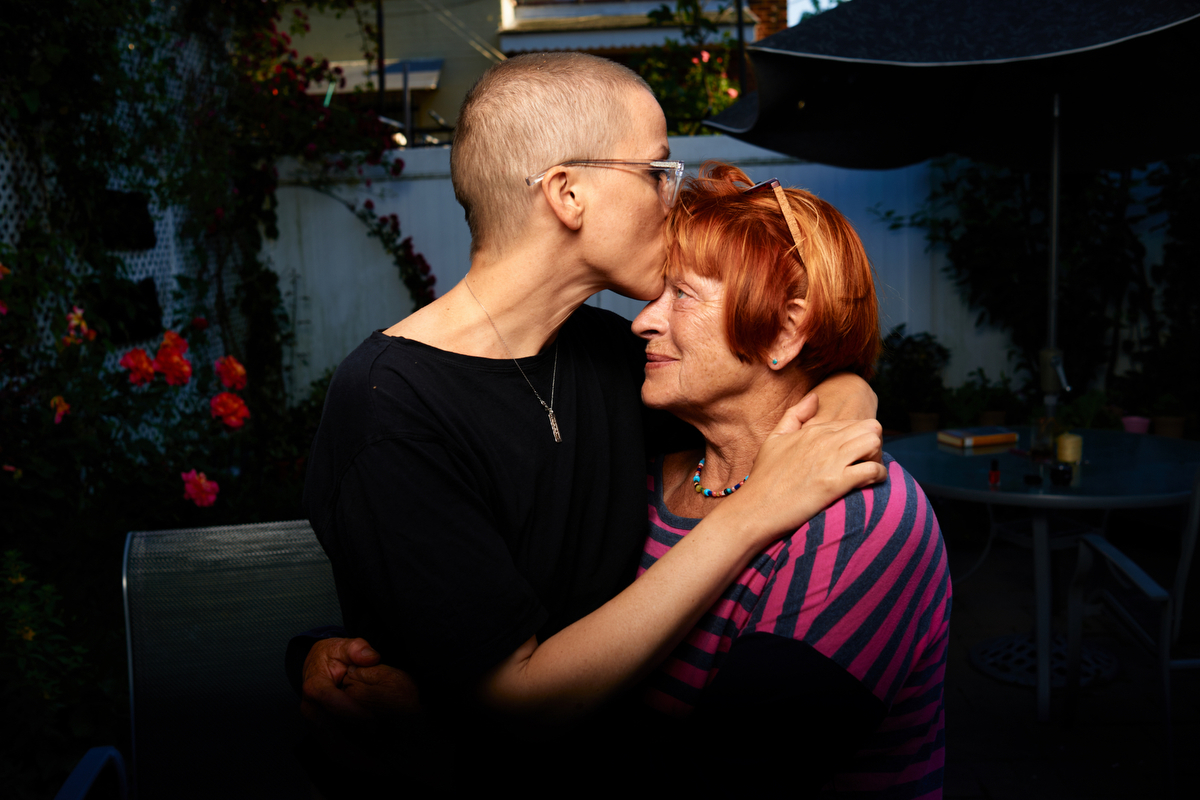
“Maminka,” the Czech term for mother, and my native language as a Czech immigrant now based in New York, serves as the emotional core of this project. Offering an intimate glimpse into my family’s lives, it chronicles the poignant journey of how my mother, and I reversed roles. In 2016, she became my caregiver during my cancer diagnosis, a role that later reversed in 2022 when she faced a stroke and cancer.
This photographic exploration delves into the shifts in our relationship– from patient to caregiver and caregiver to patient. The images captured the intricate dance of roles between children and parents and shows a candid picture of the challenges we confronted. How hard it is to care for a loved one, and how hard it can be to accept care. Amidst these tribulations, the project unveils the enduring strength of family love, a constant presence that can help transcend the hurdles.
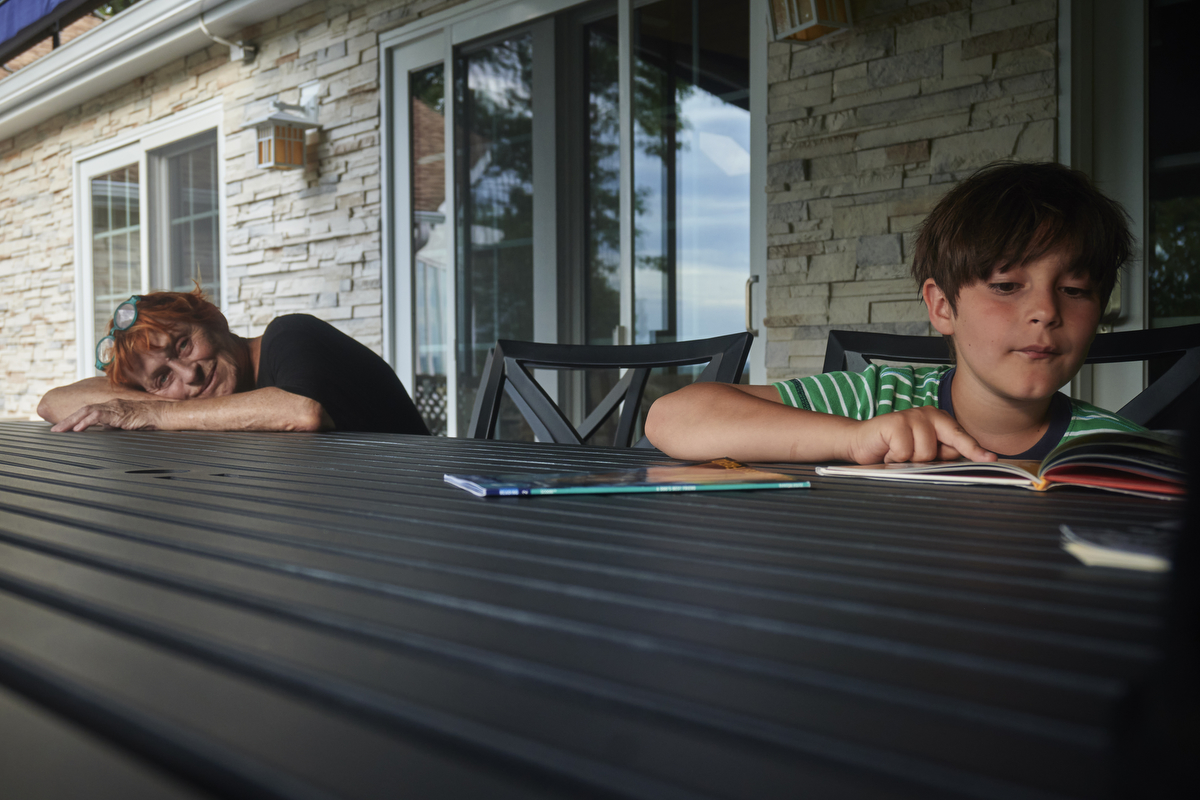
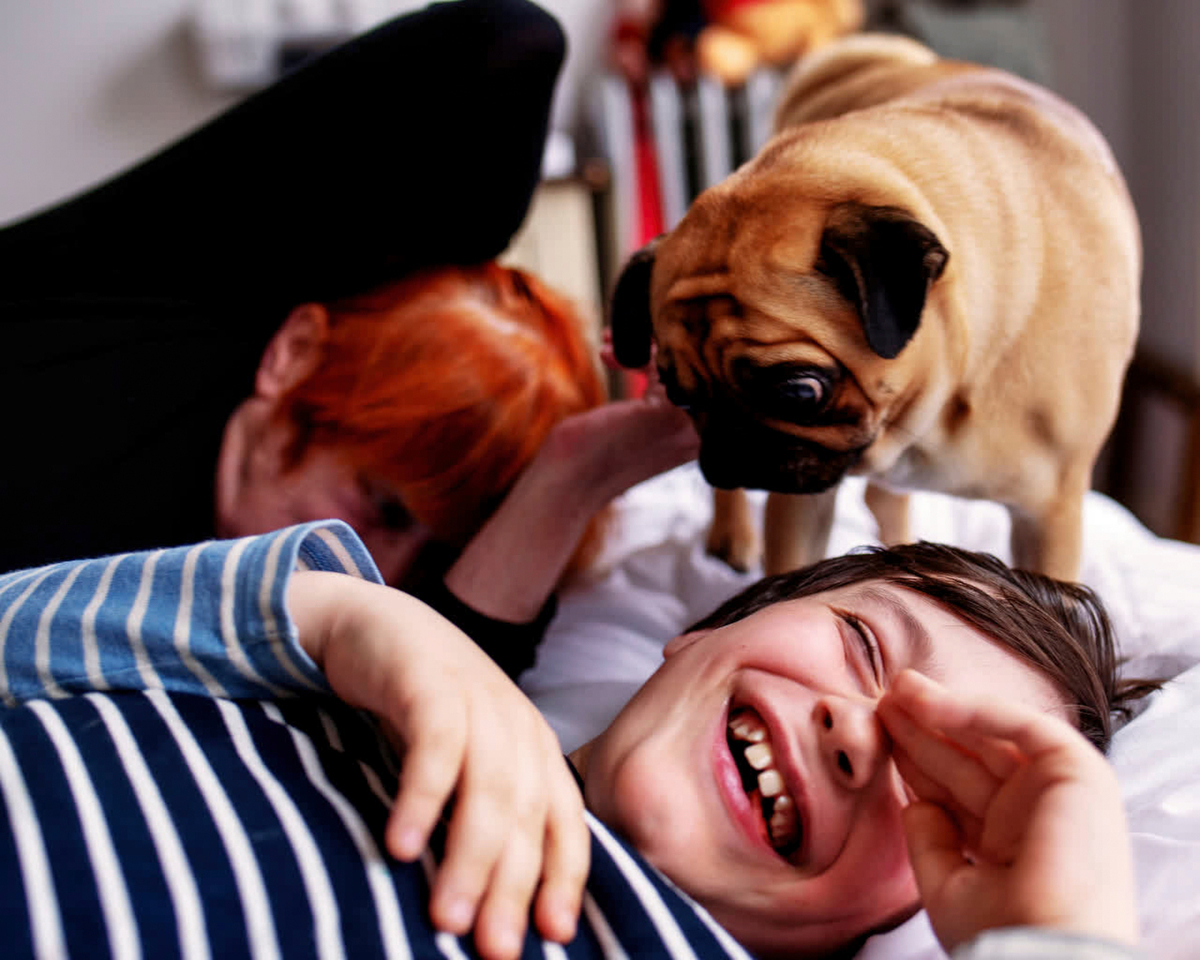
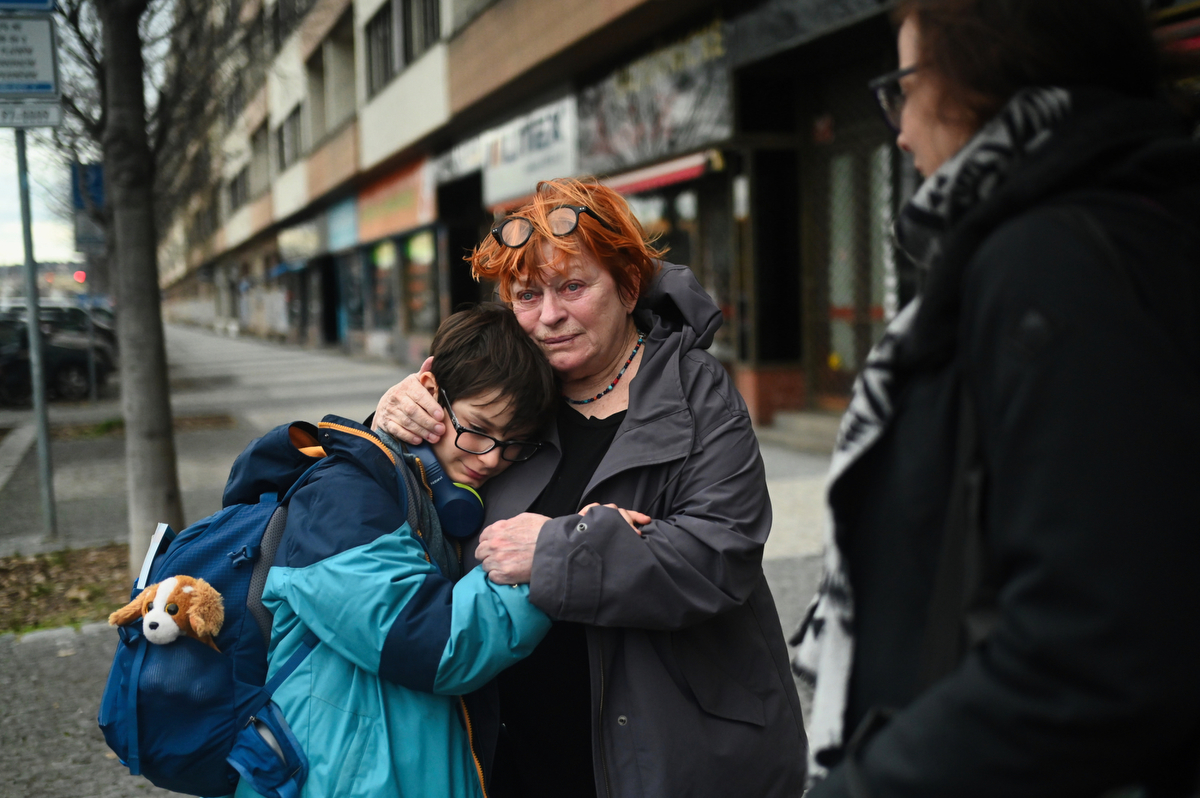
“Maminka” also sheds light on the broader impact of multigenerational caregiving. In addition to my and my husband Jordan’s roles as caregivers in the “Sandwich Generation” (caregiving for aging parents and young children), our son, Jesse, has also found himself helping care for his grandmother as well. Spanning from Jesse’s early childhood to the most recent images in December 2023, the project captures the evolving dynamics. His instinct to assist in caregiving for my mother as she grappled with the lingering effects of recent illnesses, adds another layer to the intricate narrative. Ultimately, this project is a testament to the resilience of familial bonds, specifically the profound transformations that accompany the ebb and flow of caregiving roles across generations.
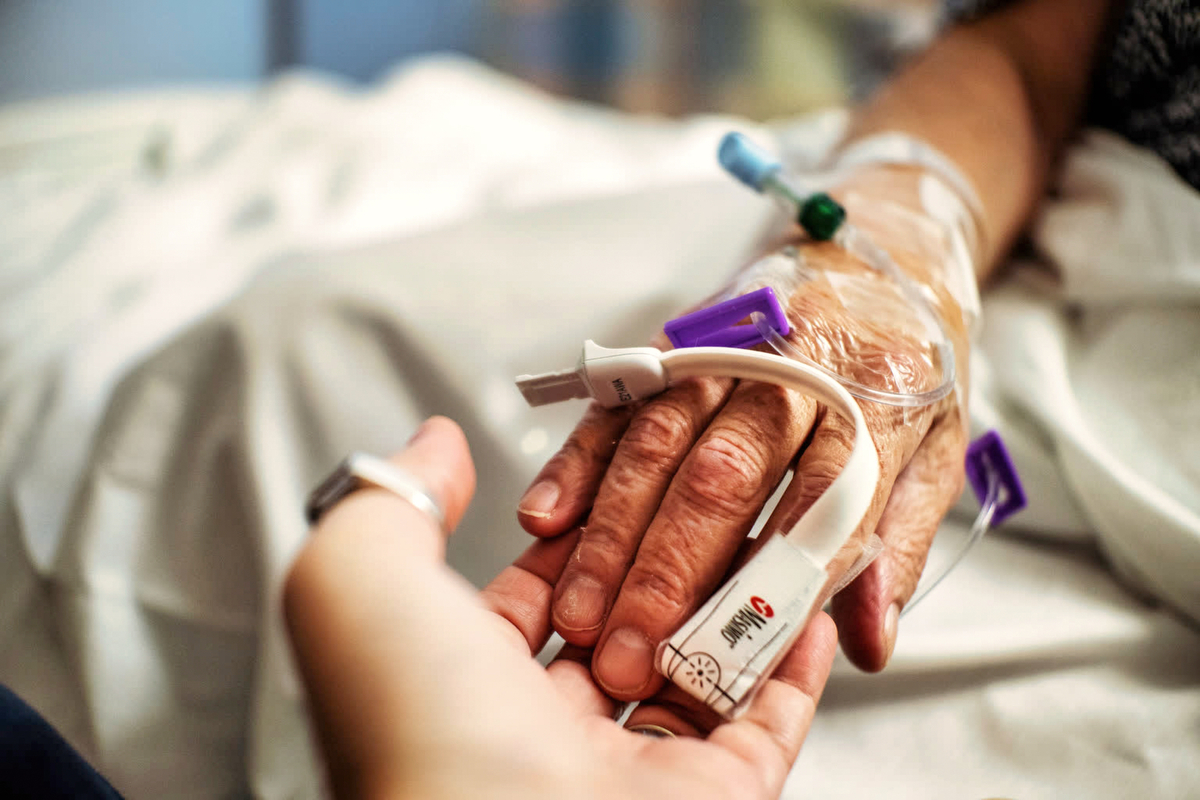
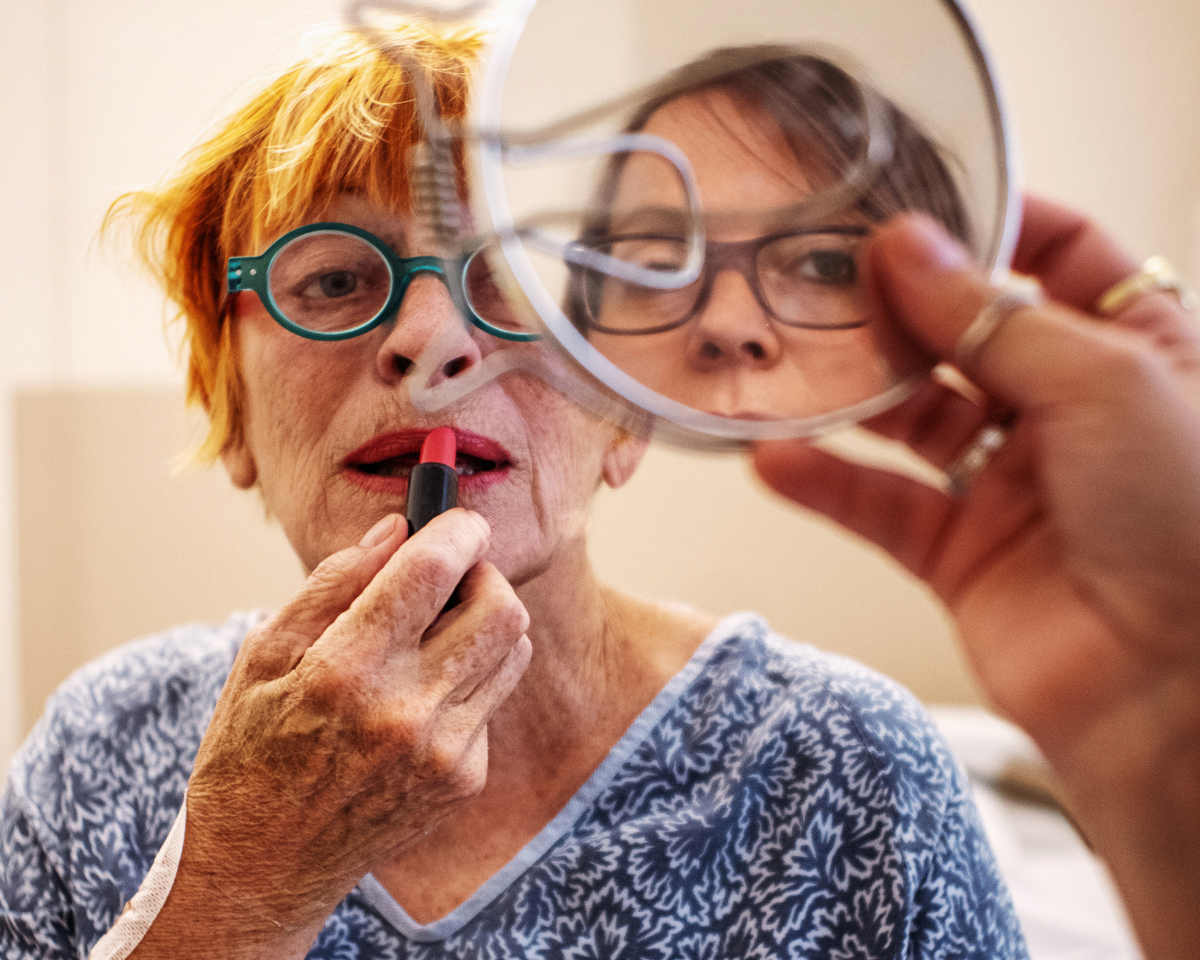
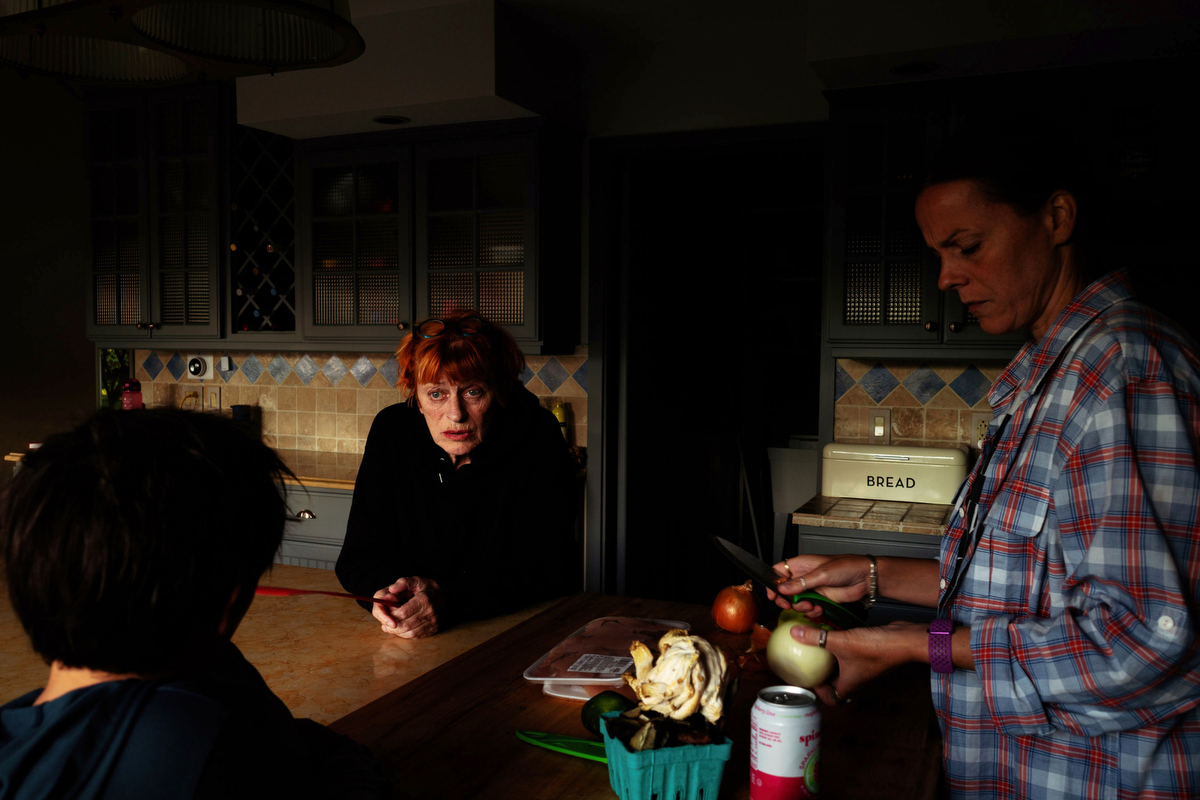
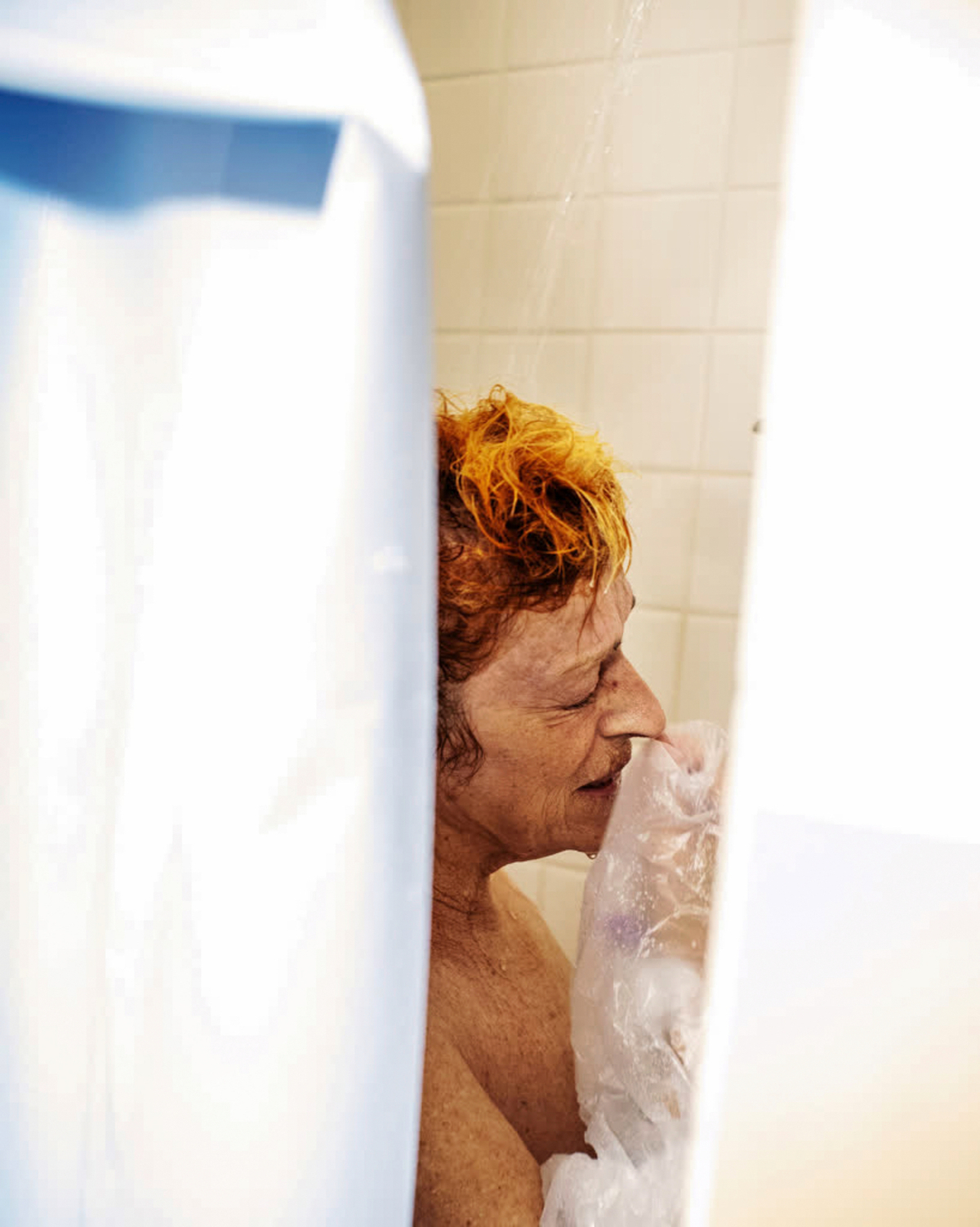
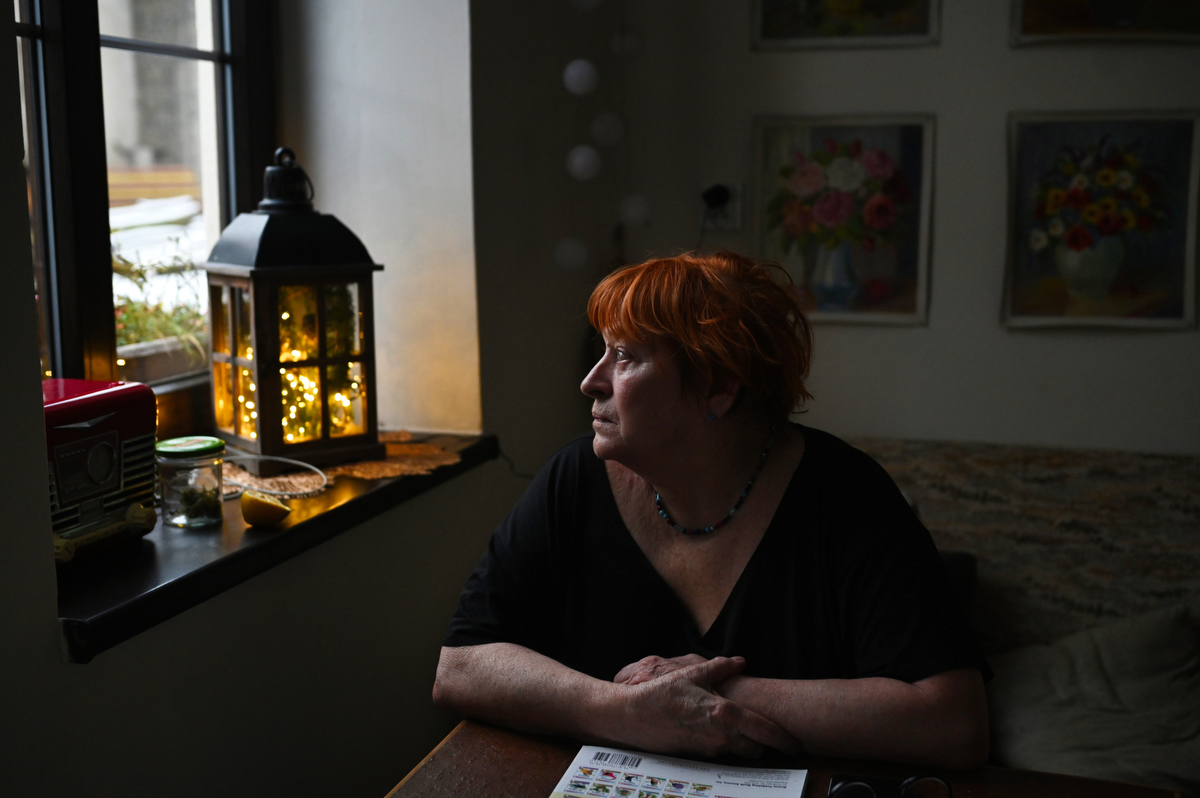
Anna, navigating her cancer treatment, captured a poignant self-portrait with her mother Helena, who traveled from the Czech Republic to support her through chemotherapy, caring not only for Anna but also her son, Jesse.Holding Anna’s mother’s hands in the hospital reminded her of her grandfather. “Their hands are so similar, hands that had years of use in them from creating things with their hands.”Anna holds a mirror steady as Helena delicately applies lipstick during her hospital stay in 2021, following a stroke. For Helena, maintaining her appearance provided a sense of comfort amidst medical challenges. A week later, doctors uncovered another hurdle: Helena was diagnosed with colon cancer, prompting swift treatment.Anna preparing food for her mother and son as she adjusts to caring for her mother following her stroke and cancer recovery. With her mother’s abilities altered, Anna had to step in to assist her mother with tasks she used to manage independently.Helena showers in the hospital while recovering from a stroke in 2021. “My mom always spent a lot of time in the shower. She loves the water. It calms her mind.” For the first time in her life, Anna had to assist her mom to shower.After Helena’s stroke, the entire family embarked on a journey of discovery into the nuances of post-stroke recovery. The constant exhaustion and necessity for frequent naps became apparent, significantly reducing Helena’s usual activity levels. As the family adapted to this new reality, they learned firsthand the complexities of brain recovery after a stroke, emphasizing the importance of patience and time in the rehabilitation process.“This was one of the moments, nearly nine months after her stroke, when my mom started to seem more like herself pre-stroke,” Anna said. “Her energy, mobility and sense of joy were improving.”As of December 2023, Helena’s health remains a persistent challenge. She has recently developed breathing issues that have left her medical team uncertain whether it stems from stroke-related issues, complications from cancer, or possibly another underlying cause. Amidst these uncertainties, Jesse, Helena’s grandson and Anna’s son, has grown increasingly aware and concerned about his grandmother’s health.As of December 2023, Helena’s health remains a persistent challenge. She has recently developed breathing issues that have left her medical team uncertain whether it stems from stroke-related issues, complications from cancer, or possibly another underlying cause. Amidst these uncertainties, Jesse, Helena’s grandson and Anna’s son, has grown increasingly aware and concerned about his grandmother’s health.
APE contributor Suzanne Sease currently works as a consultant for photographers and illustrators around the world. She has been involved in the photography and illustration advertising and in-house corporate industry for decades. After establishing the art-buying department at The Martin Agency, then working for Kaplan-Thaler, Capital One, Best Buy and numerous smaller agencies and companies, she decided to be a consultant in 1999. Follow her at @SuzanneSease. Instagram
Heidi: How did the Black women’s Skateboarding project evolve – did you notice they were a force but underrepresented? Karabo: Skateboarding isn’t always embraced by Black communities, and my own experiences having limited proximity to Black role models in skateboarding have had a massive impact on my feelings toward the sport and the culture of skateboarding. It’s made me wonder what skateboarding means to Black women immersing themselves in this world. What does it mean to take up space in a predominantly white male sport? I became aware of the increasing presence of Black women in skateboarding and then developed organic relationships with the community.
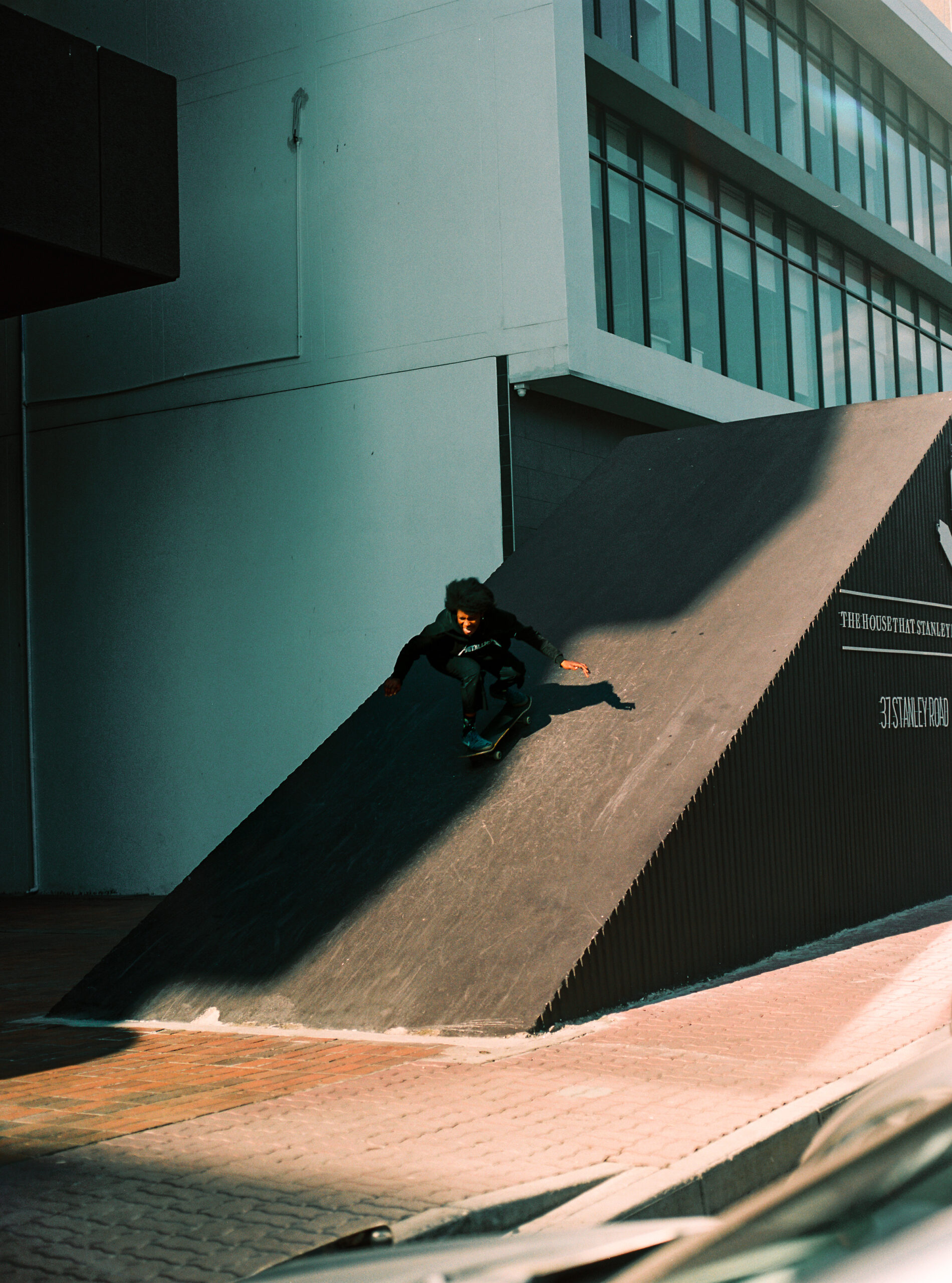
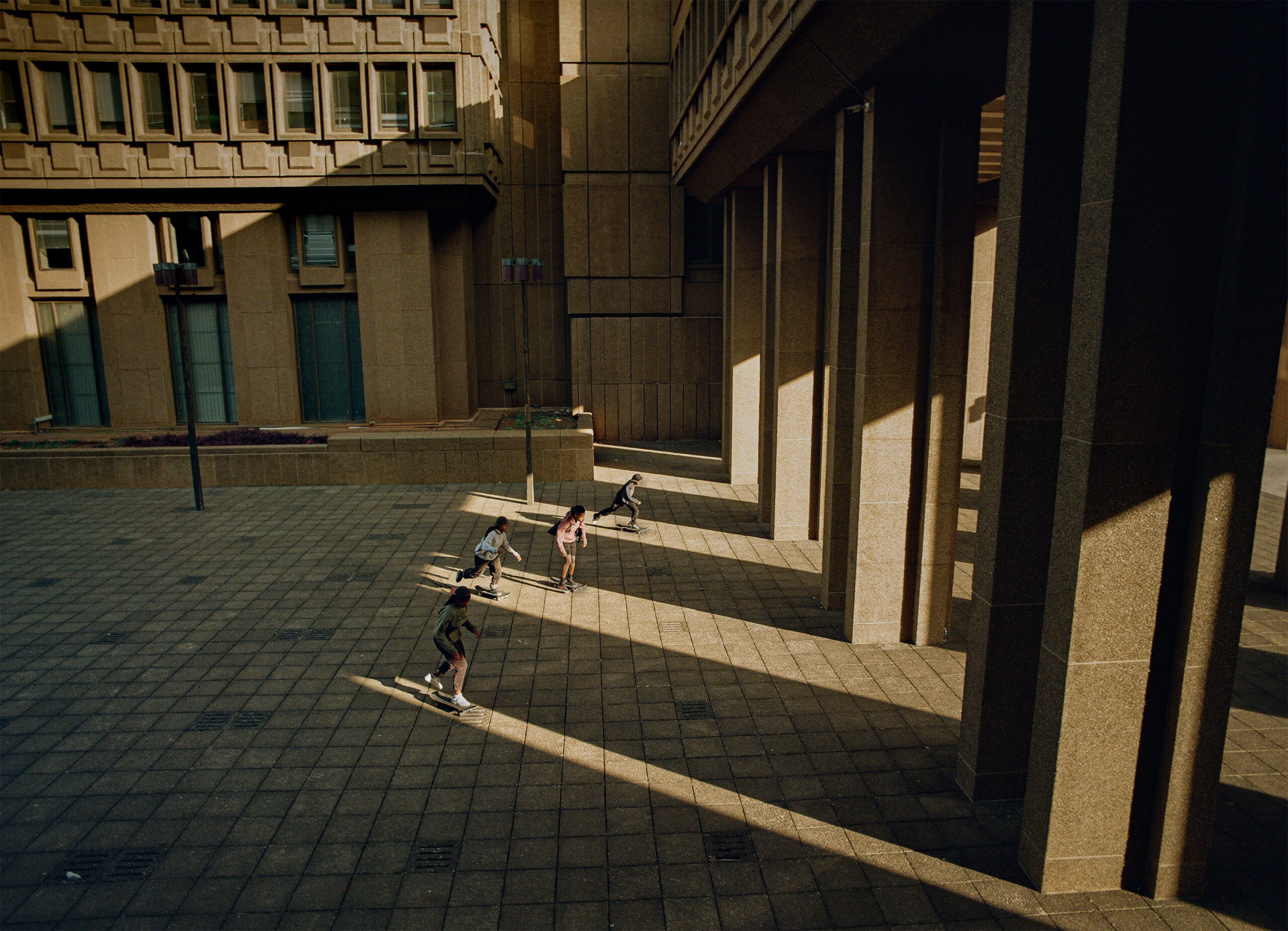
Understanding that South Africa has a tumultuous history with gender-based violence; the right to occupy public space is not equally shared amongst genders. Women are often met with harassment, micro-aggressions, and other threats that make them feel unsafe and unwelcome in public spaces. Crews of skateboarders such as the “Island Gals” and “Spectrum” are recreating the narrative by actively organizing and occupying spaces that many have previously felt uncomfortable being in.
Their passion for skateboarding and community transcends through each individual and there is an undeniable sense of dedication to skateboarding and pushing for greater representation within the sport.
The collective work of Black women in skateboarding has been impossible to ignore, and as a documentarian, I found myself in the fortunate position of working alongside these dominant forces to help share their message globally.
How did you approach the female skateboarders, how did you explain your intentions to them? As a documentarian, it is important for me to learn about the experiences of the community I am working with and to earn their trust. I invested time in understanding the community’s goals and spotlighting what they have overcome to realize their accomplishments.
I intend to create awareness and celebrate the importance of the social-political work perpetuated by these young freedom fighters. Many marginalized communities in post-apartheid South Africa are still carrying the weight of systematic oppression and my duty as a photographer is to let the truth be told and realized by local and global audiences.
Tell us how your style as a photographer evolved and how you got your start. My passion for photography is rooted in my interest in human connectivity, history, and culture. I’ve been in a photographic dialogue most of my life, and the focus of my photography has developed from documenting counterculture to placing a more acute interest in political and cultural themes. Over time, I realized the weight of institutionalized colonialism that I was carrying and how systems of oppression had created doubt in my self-worth. This is why it is so important for me to highlight and celebrate Black culture in all its glory.
What were your influences then and now? Not so much what, but who – Peter Magubane, Ernest Cole, Dawoud Bey, and Joseph Rodriguez have been great storytellers I have sought inspiration from. Documentarians whose work upheld a deep sense of integrity and truth. They sought to tell stories of communities close to them and the social-political work they achieved is everything I aspire to in my work.
How did the Freedom Charter inform the culture in Soweto and your work? As I mentioned earlier, Peter Magubane and Ernest Cole are prominent South African photographers and freedom fighters who taught me the importance of adopting a revolutionary mindset.
I learned that photography is a powerful tool to decolonize my mind and that of the communities I began working with. Photography has taught me so much, especially the importance of searching and sharing the truth of my people’s stories. I focused on stories that invite viewers to engage with political and social issues.
Photography has allowed me to find my place amongst constant change and given me a voice to communicate and connect through this form of dialogue. The process has taught me to be intentional with my approach to photography and value the connections I’ve made with people along the way.
“As part of every encounter, Bey gave each person a small black-and-white Polaroid print for themselves as a way of reciprocating and returning something to the people who had allowed him to make their portrait” What practices do you have in any of your portraits encounters? As an independent photographer, embarking on personal projects requires a lot of investment. I pour everything into realizing photo stories, but it’s not easy. Production costs are difficult to cover independently but as time goes on and my investments become greater, I find that simultaneously the relationships created are strengthened. My gratitude for the time and trust is expressed by upholding the integrity of the communities I work with. When I can afford to, I print out images on archival paper for the people I have worked with.
Ernest Cole’s House of Bondage was six years in the making. Each chapter represents life under apartheid, illustrating segregation’s impact on housing, education, employment, childcare, medical care, and daily life – which images are the most memorable to you and why? The image that is engraved in my mind is the image of a schoolboy who squats on his haunches in an overcrowded segregated classroom, beads of sweat streaming down his face as he intently grips a pencil and a notepad in his small hands, following along with the teacher’s lesson. Ernest Cole provided audiences outside of South Africa with their first visceral view of apartheid, his work draws viewers into the beauty of this quiet act of defiance, this small moment of creation, which Cole ensured would one day be seen. Cole’s work captured my people’s struggles, and his photography’s message lives on as historical moments in the liberation of Black communities.
What parallels exist between your skateboarding work and the AfroPunk scene images from your Dogg Pound Days.
The AfroPunk skateboarding world brought together an unlikely group of Black and white youth, crossing a divide entrenched by Apartheid.
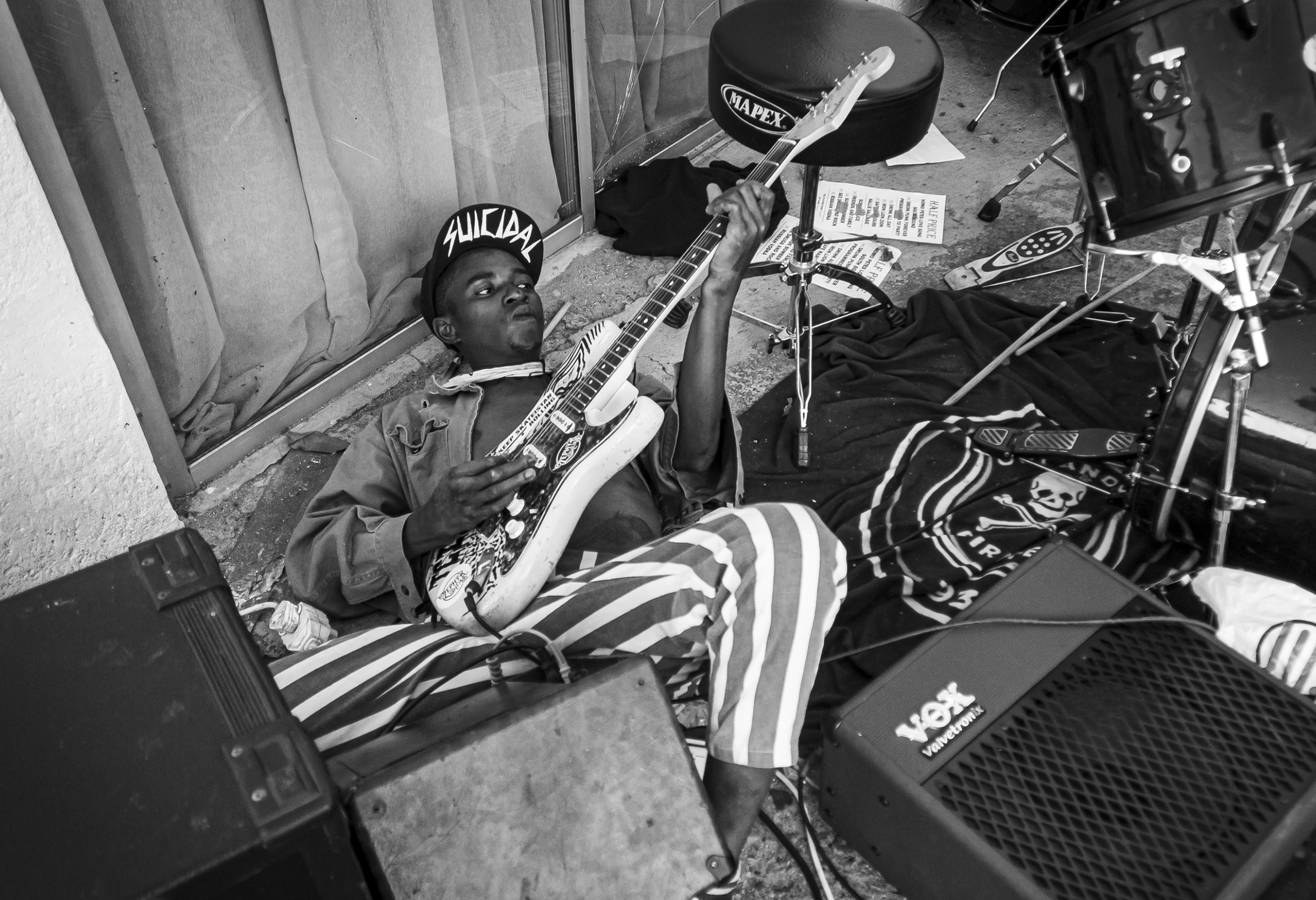
The makeshift independence of DIY culture is a crucial component of punk, where everything is self-constructed, from the experimental music and performances that take place in unconventional—and, as with skateboarding, sometimes unauthorized—locations, to crews building their ramps and filming skate sessions. My images capture the energy of the punk/skateboarding scene—the freedom in its expressions of rage, the power that comes with asserting one’s own identity, and the culture’s deep camaraderie.
Afro-punk is forever
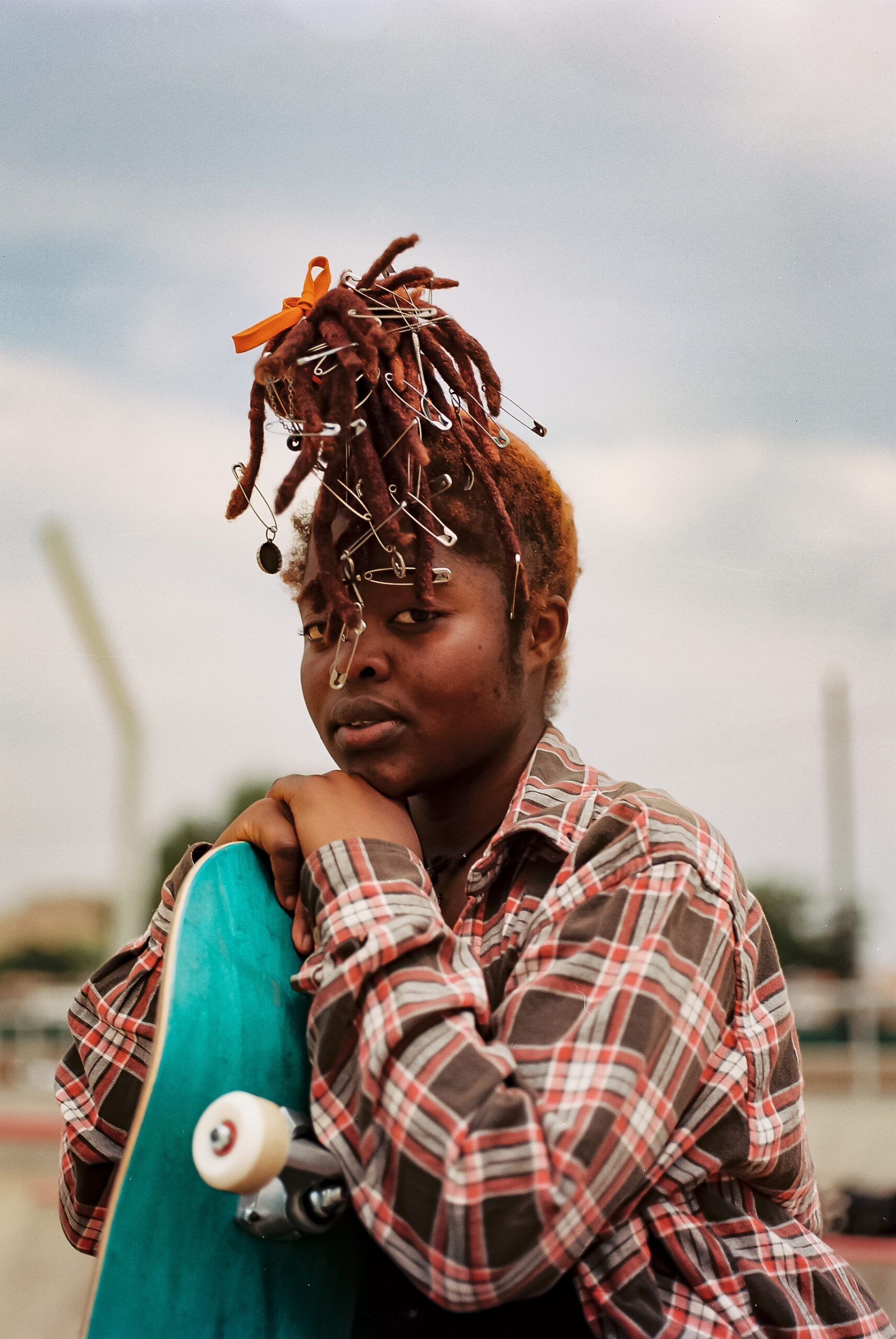
Jeanné has become known as a pioneer in South Africa for Black women in skateboarding. Seen cruising the streets of Johannesburg central business district, she defies style through her visual expression of self on the board and in her unconventional approach to fashion. Her punk attitude glows on and off of her skateboard, inspiring many others to shape their own identities as Black women in skateboarding.
Island Gals
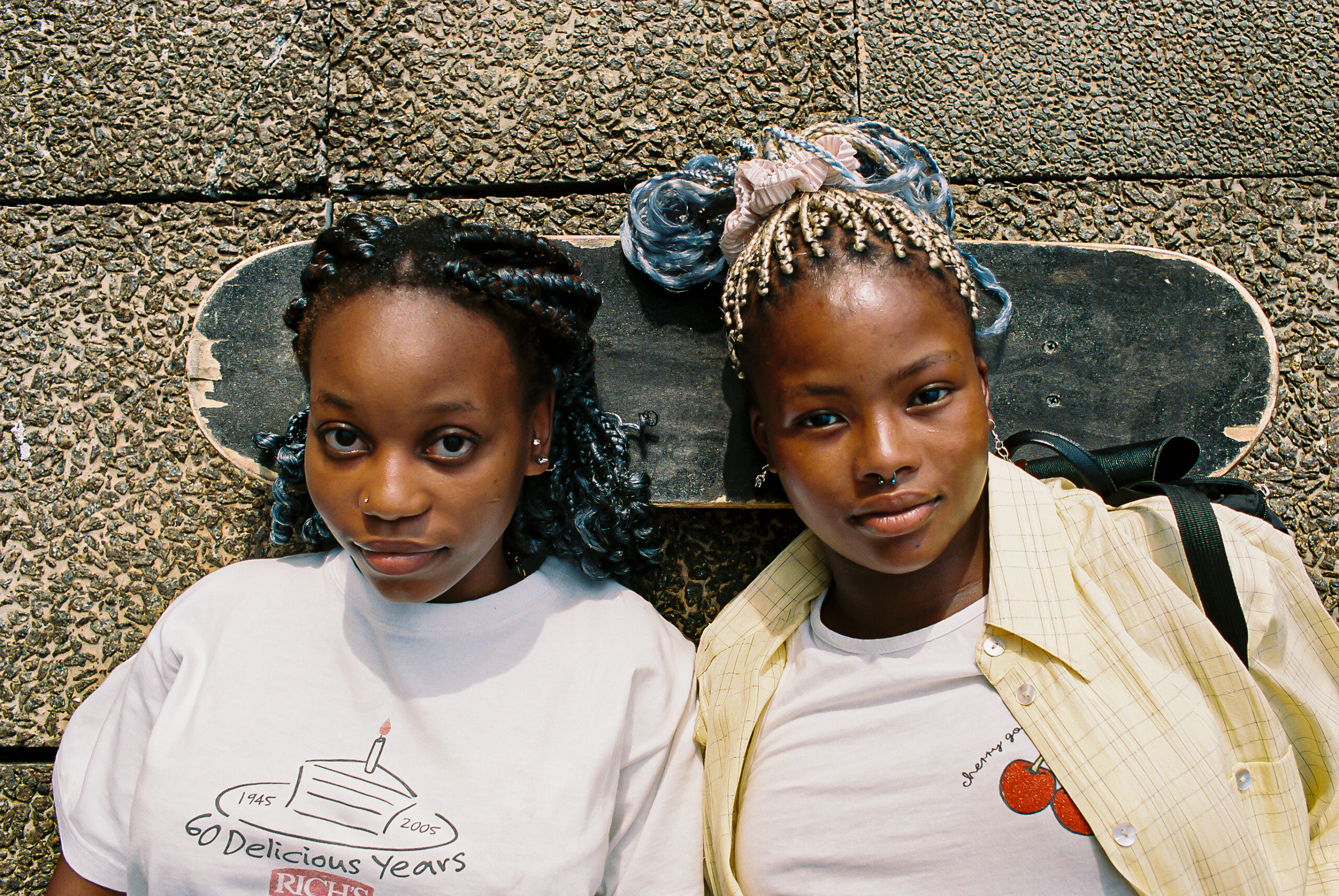
Without the help of sponsors or any organisations Thato and Melissa have committed a life to skateboarding and conducting workshops for Black women interested in taking up the sport, sharing equipment and boards until they’re completely worn out. Their love for their community outweighs the cost of skateboarding.
In crust we trust
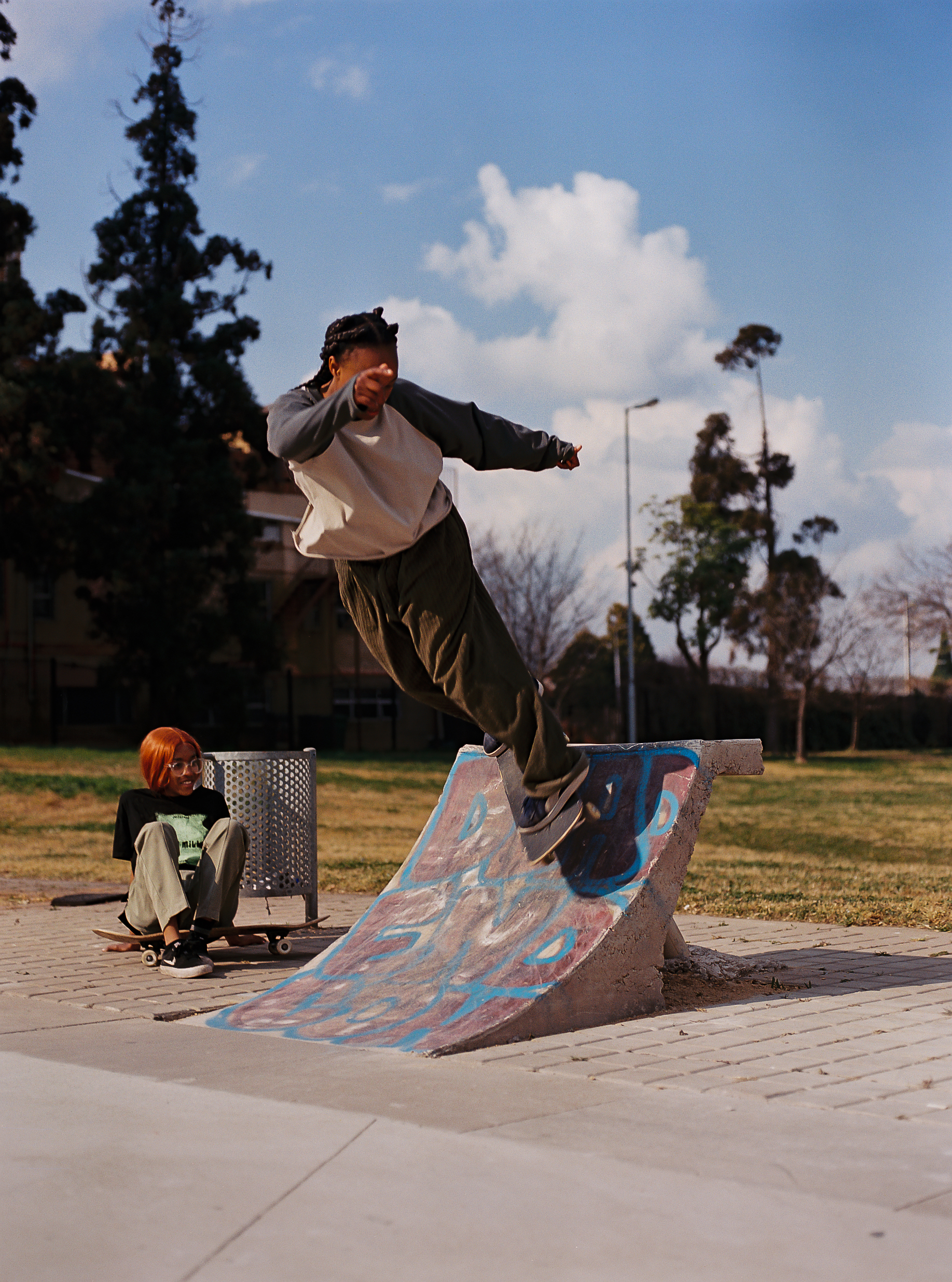
Mmabatho demonstrates what it takes to learn at her local park, where resources are few and far between, construction materials are subpar and the crumbling infrastructure to develop ones own skill level is the only place where she can access close to home to get her daily fix on the board.
Exhale
Thabiso Mashiyakgomo makes it count, charging down the infamous “Siemens Bank” spot with a tail drop of a first for women in South African skateboarding. Her strength of will and progression of skill is a combination of grace and resistance that is carving a way for her and a community of Black women in skateboarding to be recognised for the space that they are taking up in a white male dominated sport.
Spectrum
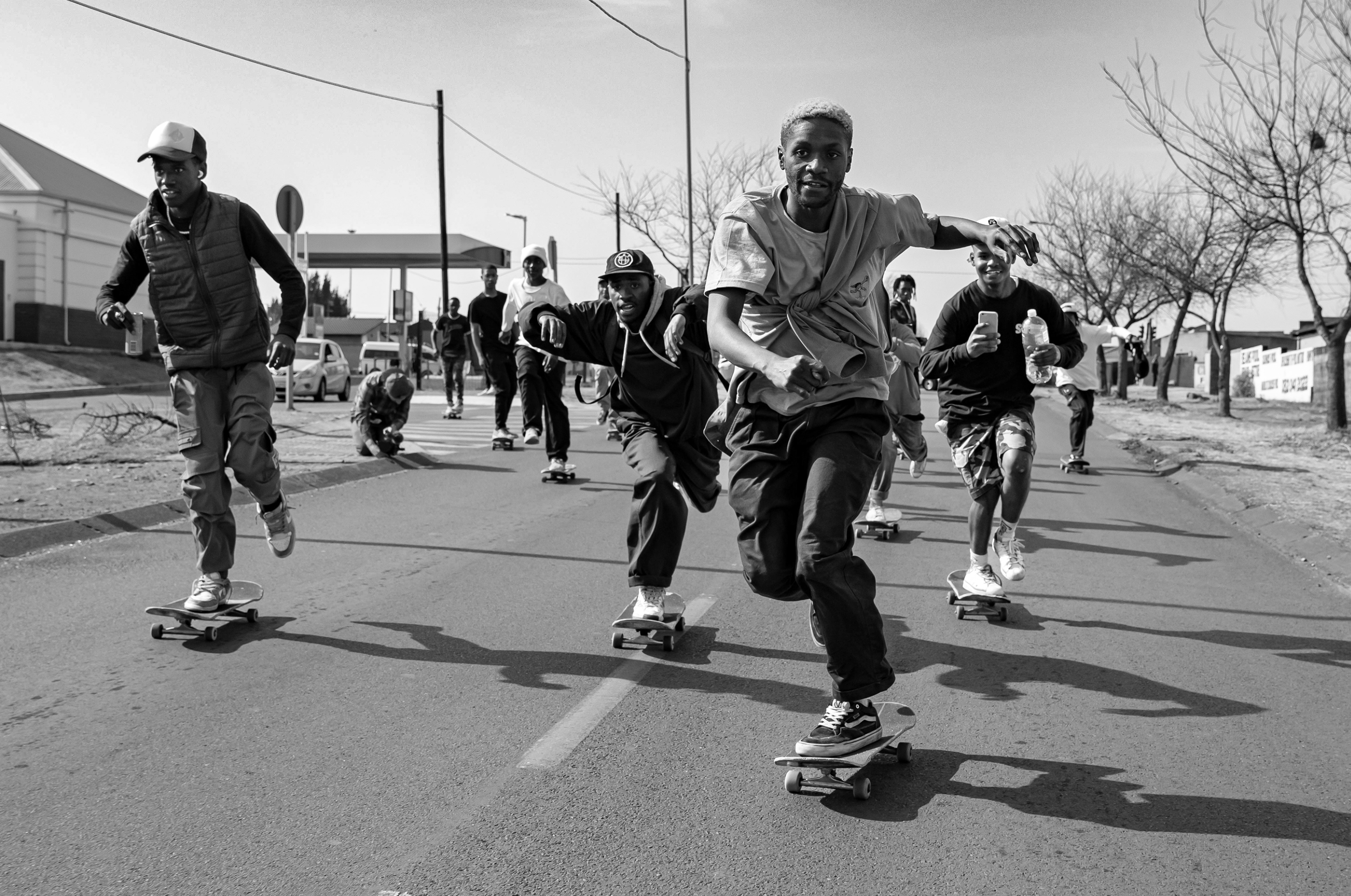
The women from the skate collective “Spectrum” cruise through the city streets of downtown Johannesburg, redefining the narrative of what it means to be African women in skateboarding in a city notoriously known for its high statistics of gender based violence. Making themselves visible in spaces that often discriminate against them, their determination to be comfortable wherever they roam has paved a way for many women to venture into the city’s landscapes on their boards like never before.
Blood-In, Blood-Out
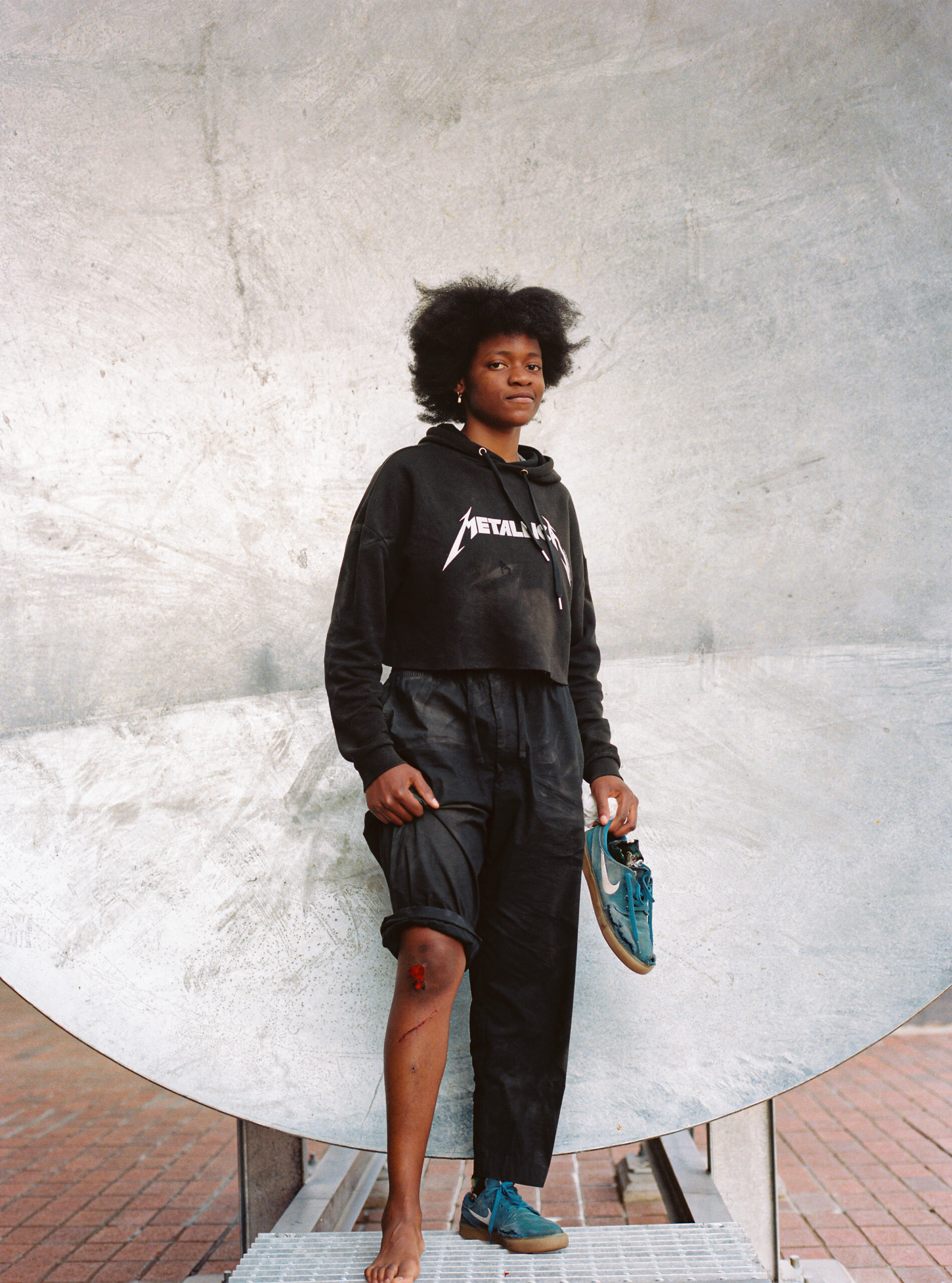
Fearless and determined, Thabiso Mashiyakgomo parades her battle wounds with pride. The passion she pours into skateboarding is revealed on her scars and continues to drive her as a skateboarder, relentlessly taking on street spots and continuously shattering the glass ceiling of what it means to be a Black woman in skateboarding.
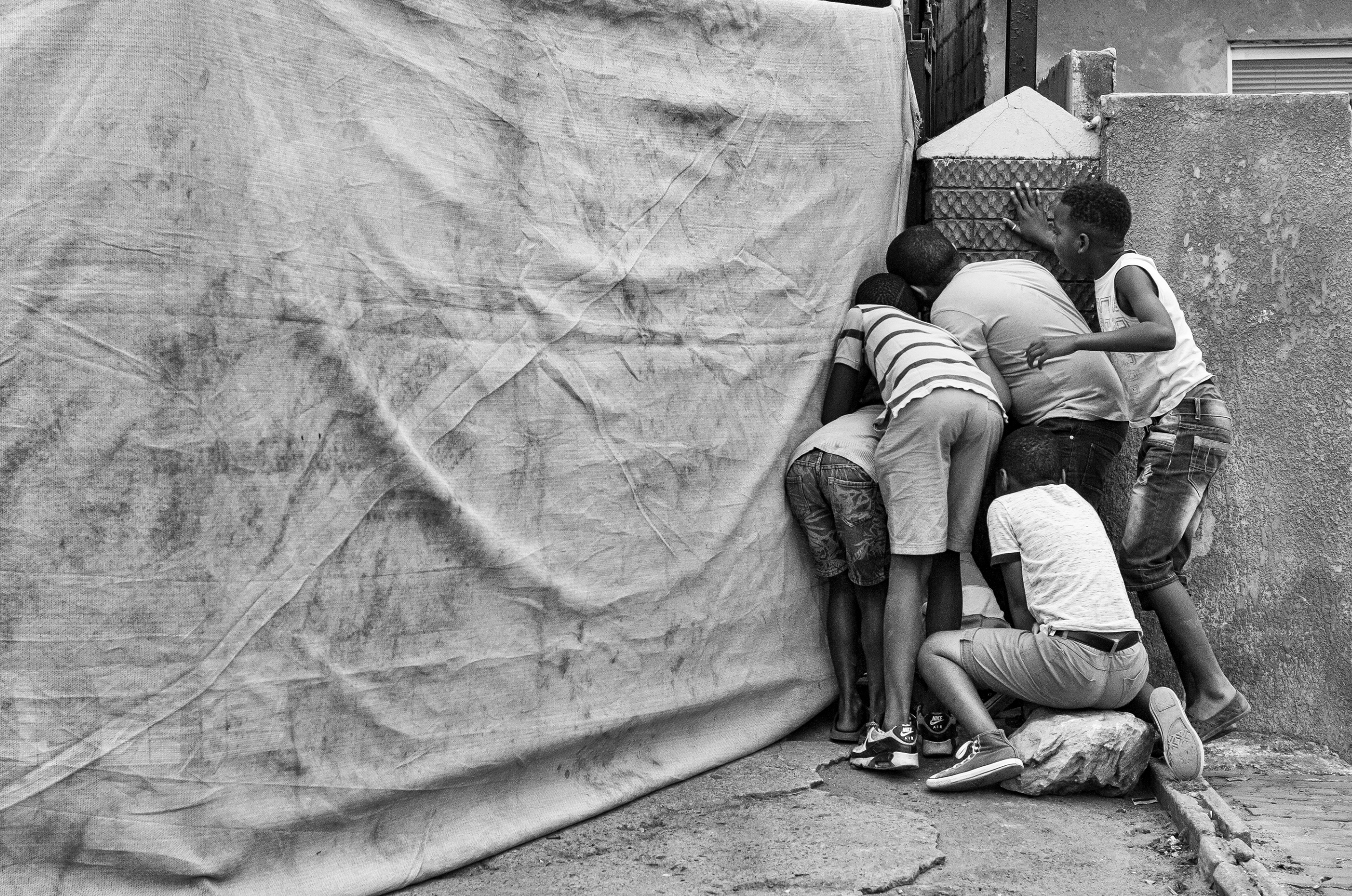
Dogg Pound Days Captions 1. Curious kids from the neighborhood try to get a glimpse of a punk show.
2. In true punk rock style, Thula ‘Stroof’ Sizwe – guitarist of TCIYF – continues to perform after being electrocuted by a short-circuited fuse.
3. Searching for street spots to skate in Soweto is challenging, both physically due to the lack of infrastructure and attitudinally due to the general population’s misperception of skate culture as one that is destructive and dangerous. The Soweto Skate Society has made it their mission to shatter the belief that skateboarding culture can only exist in spaces outside of the township.”
The Art of the Personal Project is a crucial element to let potential buyers see how you think creatively on your own. I am drawn to personal projects that have an interesting vision or that show something I have never seen before. In this thread, I’ll include a link to each personal project with the artist statement so you can see more of the project. Please note: This thread is not affiliated with any company; I’m just featuring projects that I find. Please DO NOT send me your work. I do not take submissions.
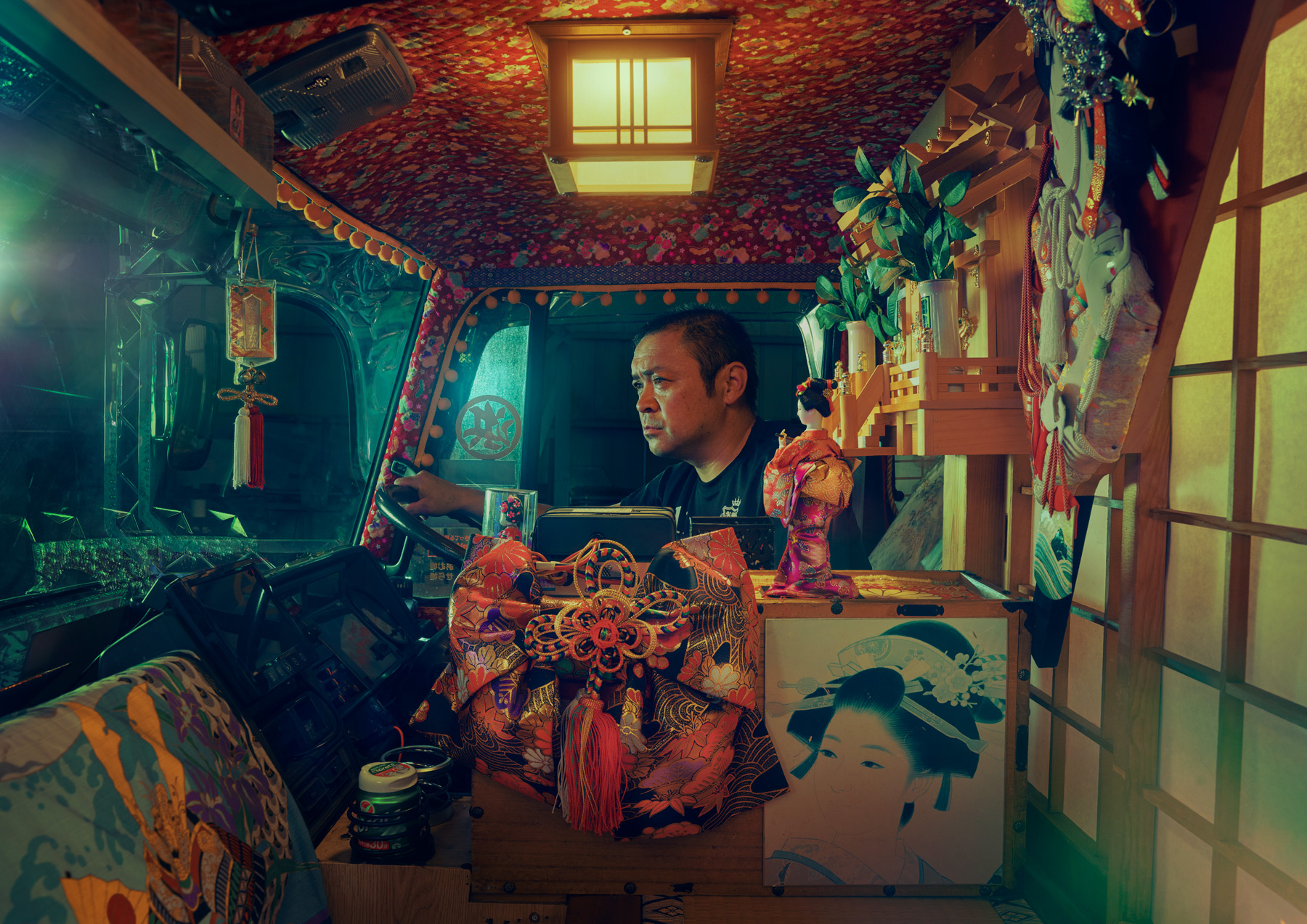
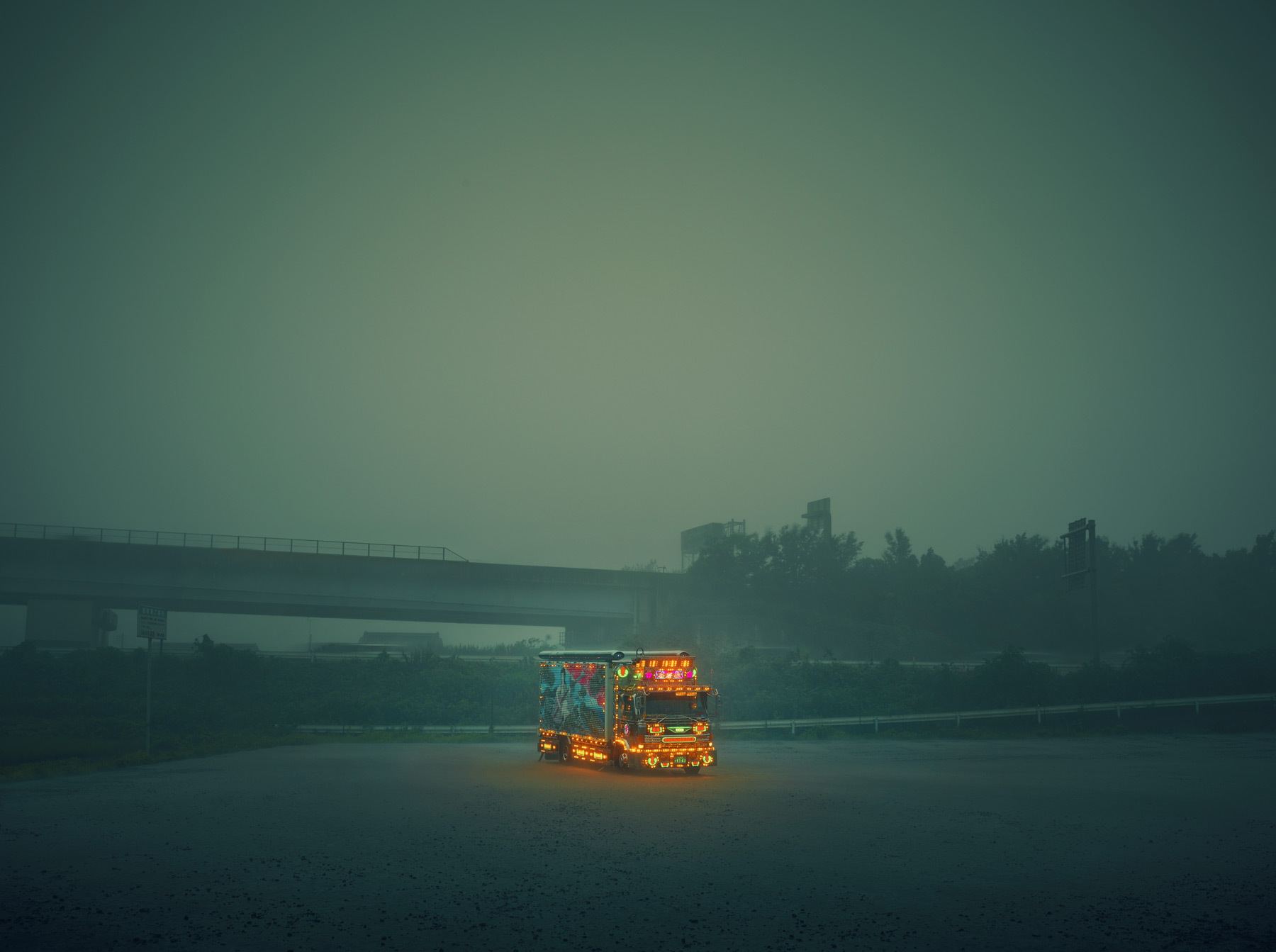
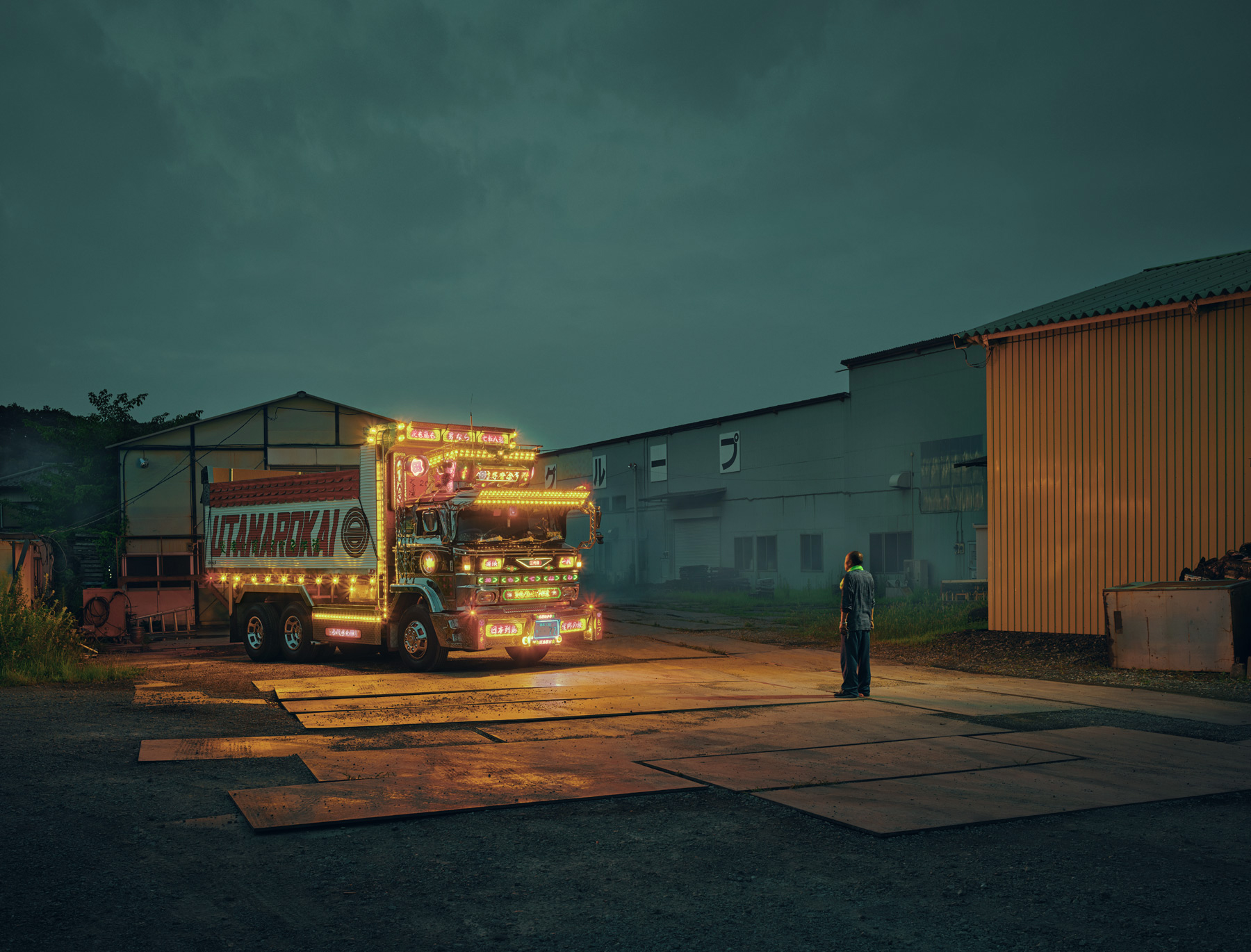
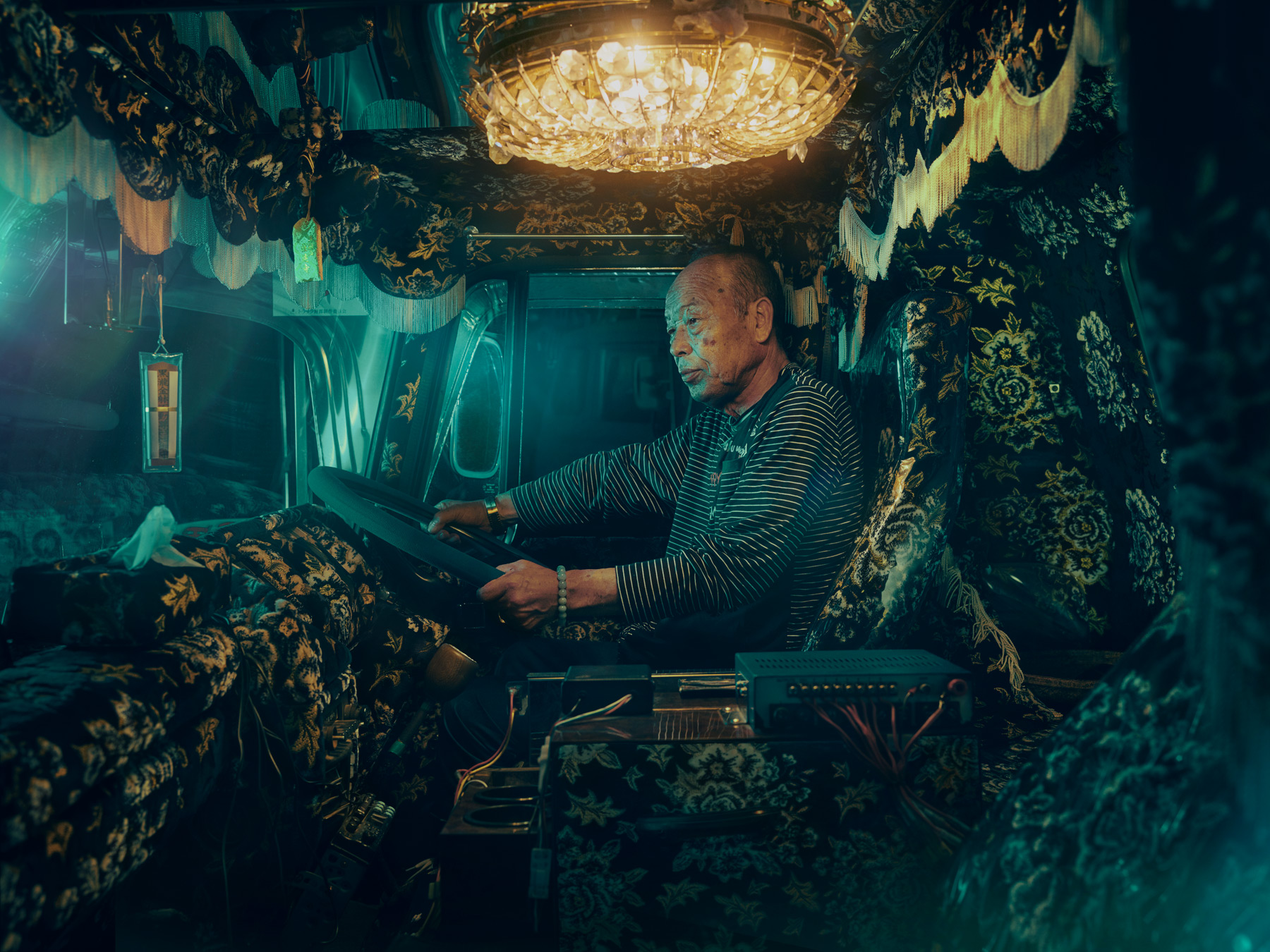
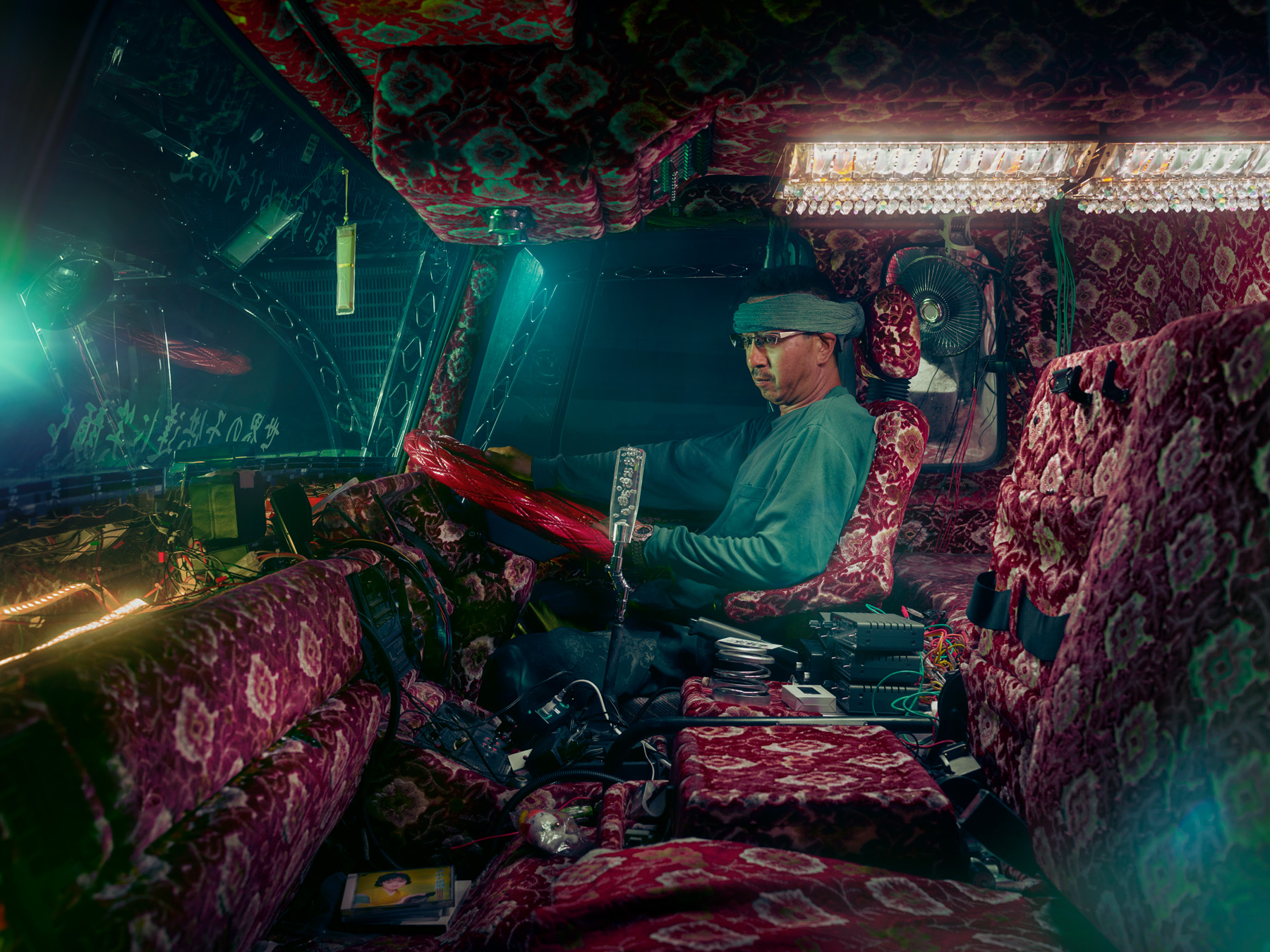
The Japanese subculture of ‘Dekotora’ – a portmanteau of the Japanese pronunciations of “decor” and “truck” – involves the elaborate decorating of a truck following a certain theme, or aesthetic. For more than 40 years, Japanese truck drivers have been piling lights, patterned fabrics, and other over-the-top adornments onto their work trucks, creating moving masterpieces covered in LEDs.
The tradition of decorated trucks, or “Dekotora,” originated from a 1970s Japanese movie series that was inspired by Smokey and the Bandit, titled “Torakku Yaro” or “Truck Rascals.” Drivers first began decorating their vehicles in the style seen in the comedy-action films in hopes of being cast in upcoming productions. Eventually the extravagant trucks became a way of life for many workers, with decoration costs sometimes running over $100,000.
The Dekotora craze has passed its zenith of the 80s and 90s and has been in decline recently, numbering in the region of 500 drivers in the country now. The Utamaro-Kai association participates in a number of charity initiatives and has been helping raise funds for some of the areas worst hit by the recent Tsunamis, by staging events in the cities.
Junichi Tajima, the head of the Utamaro says it is not just about raising money though, but about bringing some light and happiness into the lives of those who have been affected. When asked what Dekotora means to him he said that ‘after 40 years, Dekotora is my children, my brothers, my family’.”
APE contributor Suzanne Sease currently works as a consultant for photographers and illustrators around the world. She has been involved in the photography and illustration advertising and in-house corporate industry for decades. After establishing the art-buying department at The Martin Agency, then working for Kaplan-Thaler, Capital One, Best Buy and numerous smaller agencies and companies, she decided to be a consultant in 1999. Follow her at @SuzanneSease. Instagram
The Art of the Personal Project is a crucial element to let potential buyers see how you think creatively on your own. I am drawn to personal projects that have an interesting vision or that show something I have never seen before. In this thread, I’ll include a link to each personal project with the artist statement so you can see more of the project. Please note: This thread is not affiliated with any company; I’m just featuring projects that I find. Please DO NOT send me your work. I do not take submissions.
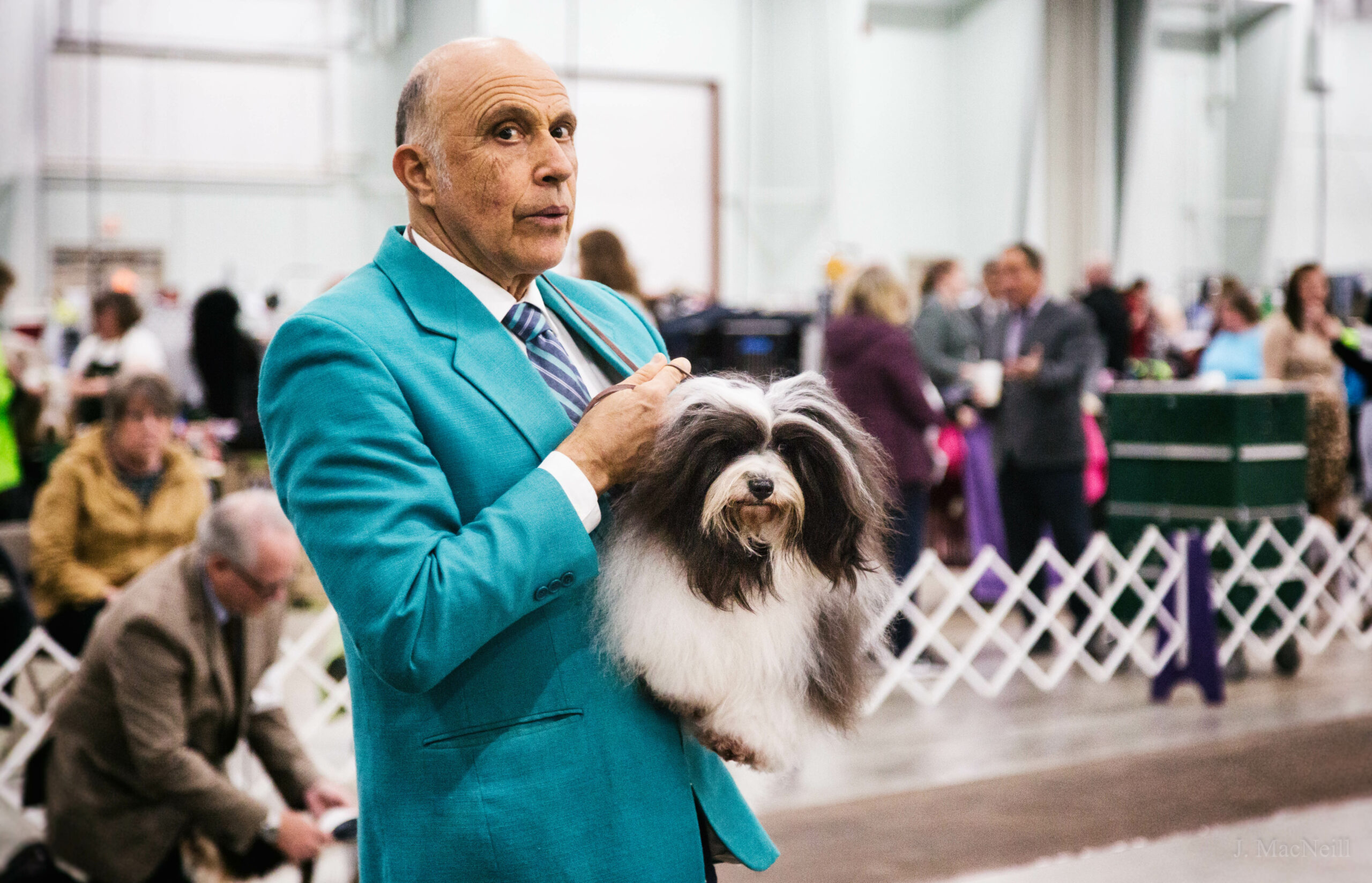
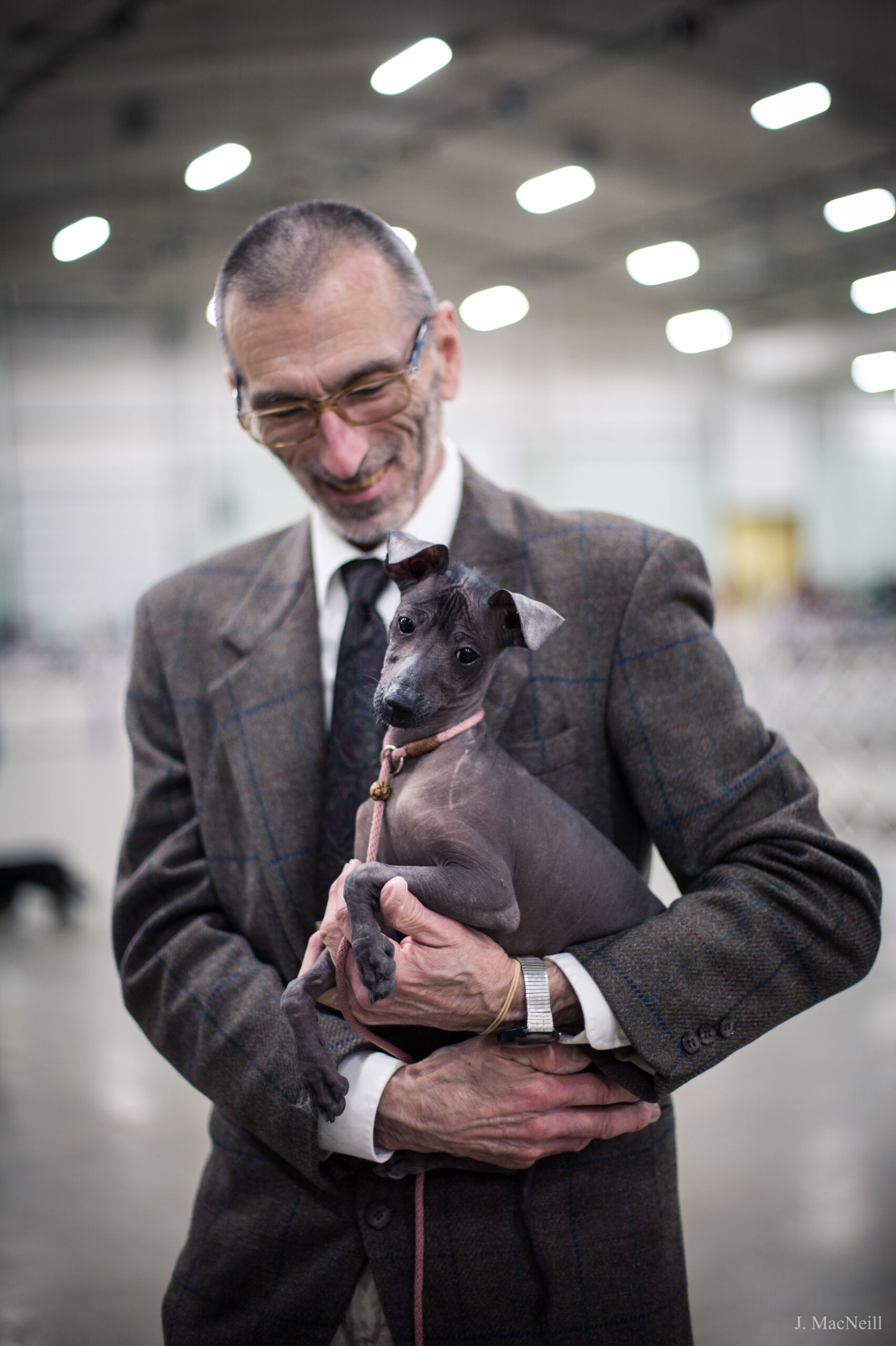
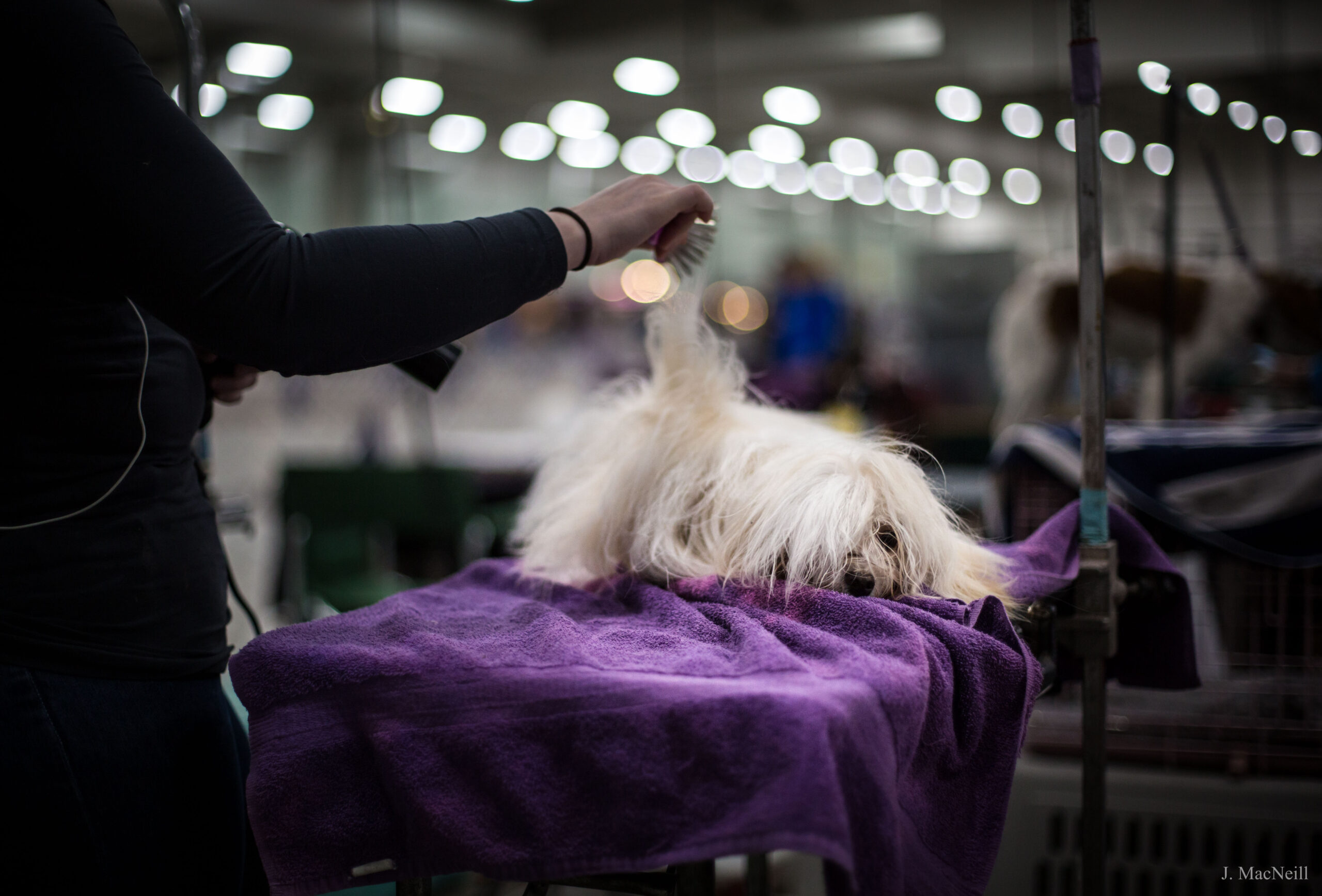
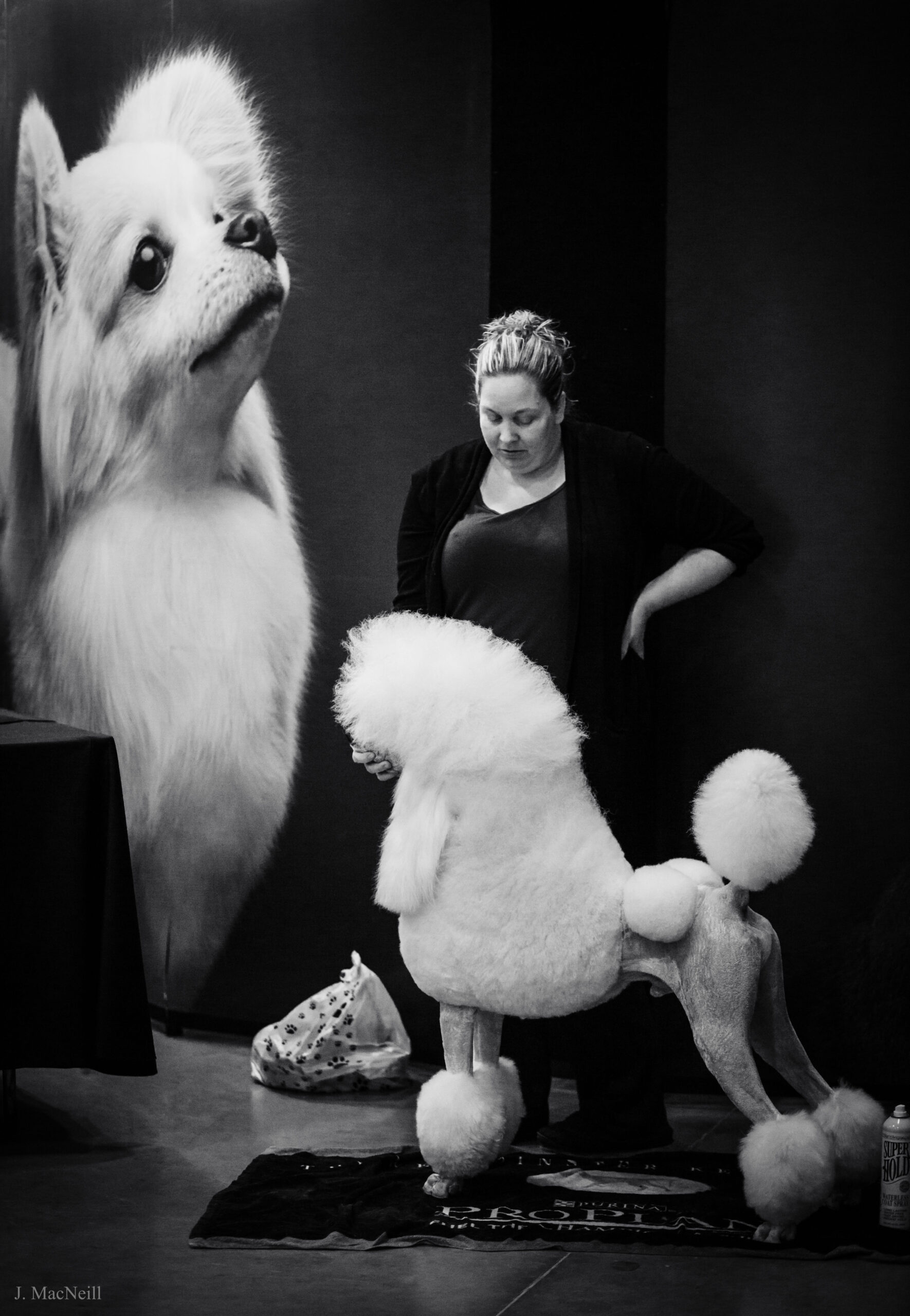
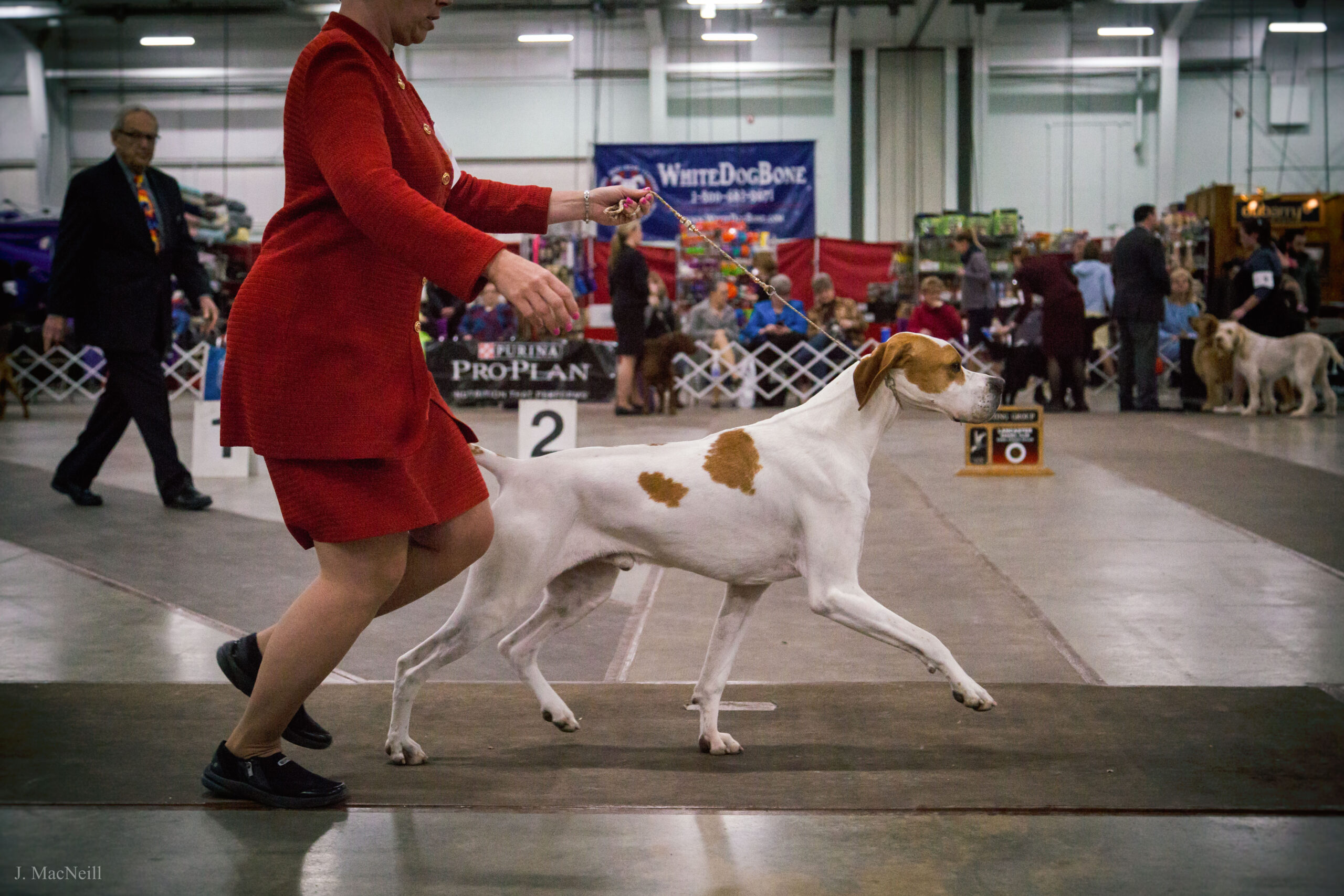
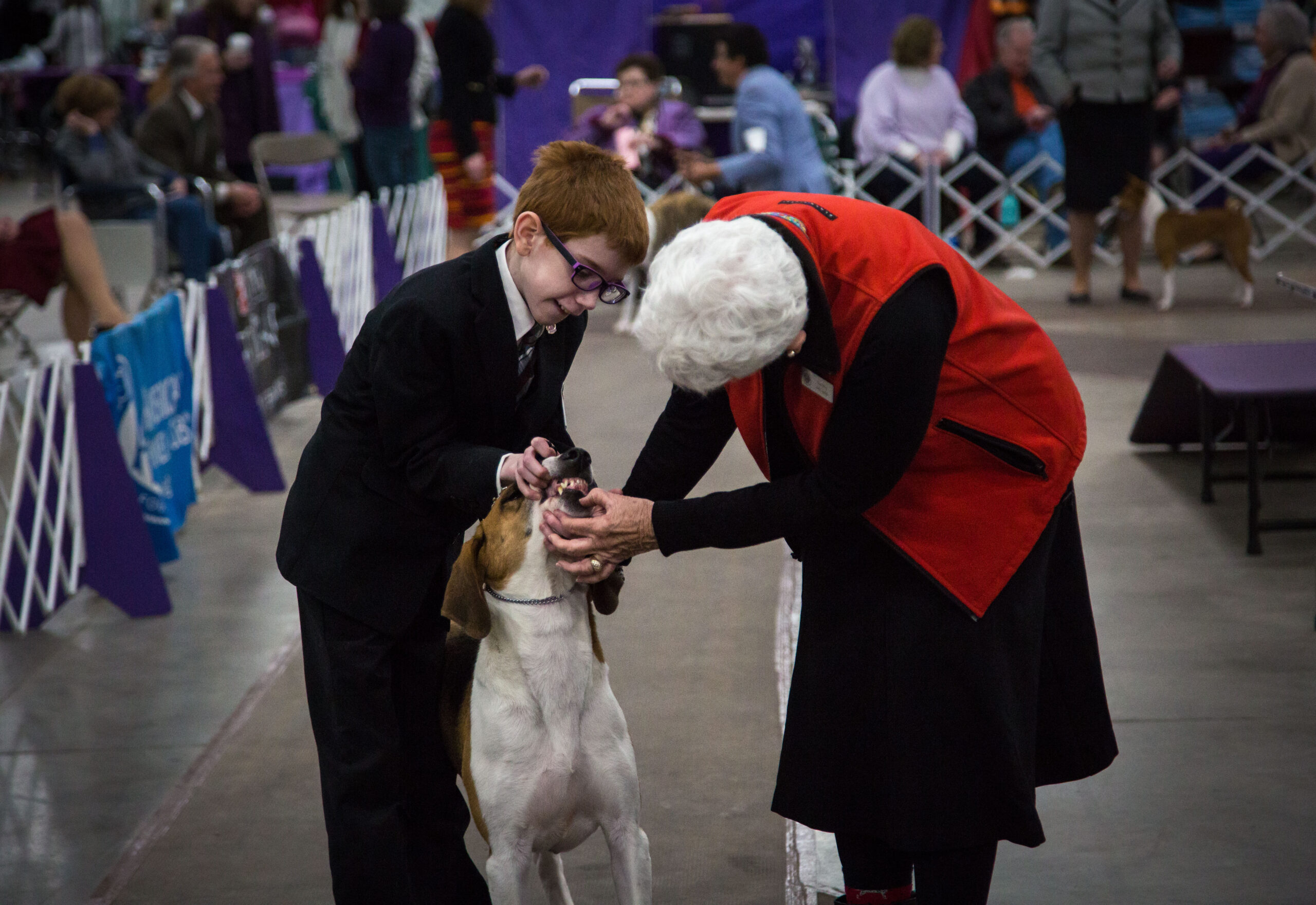
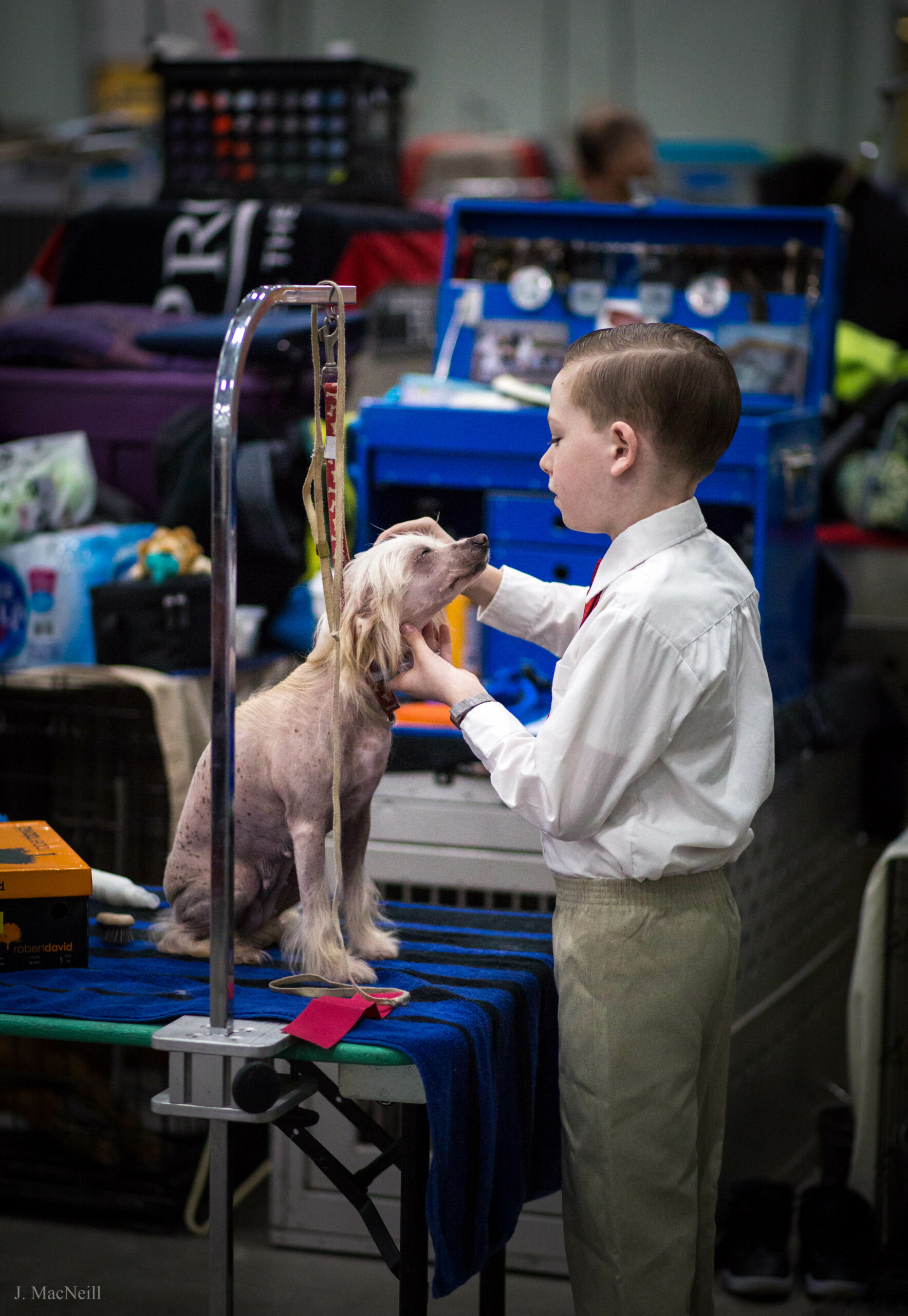
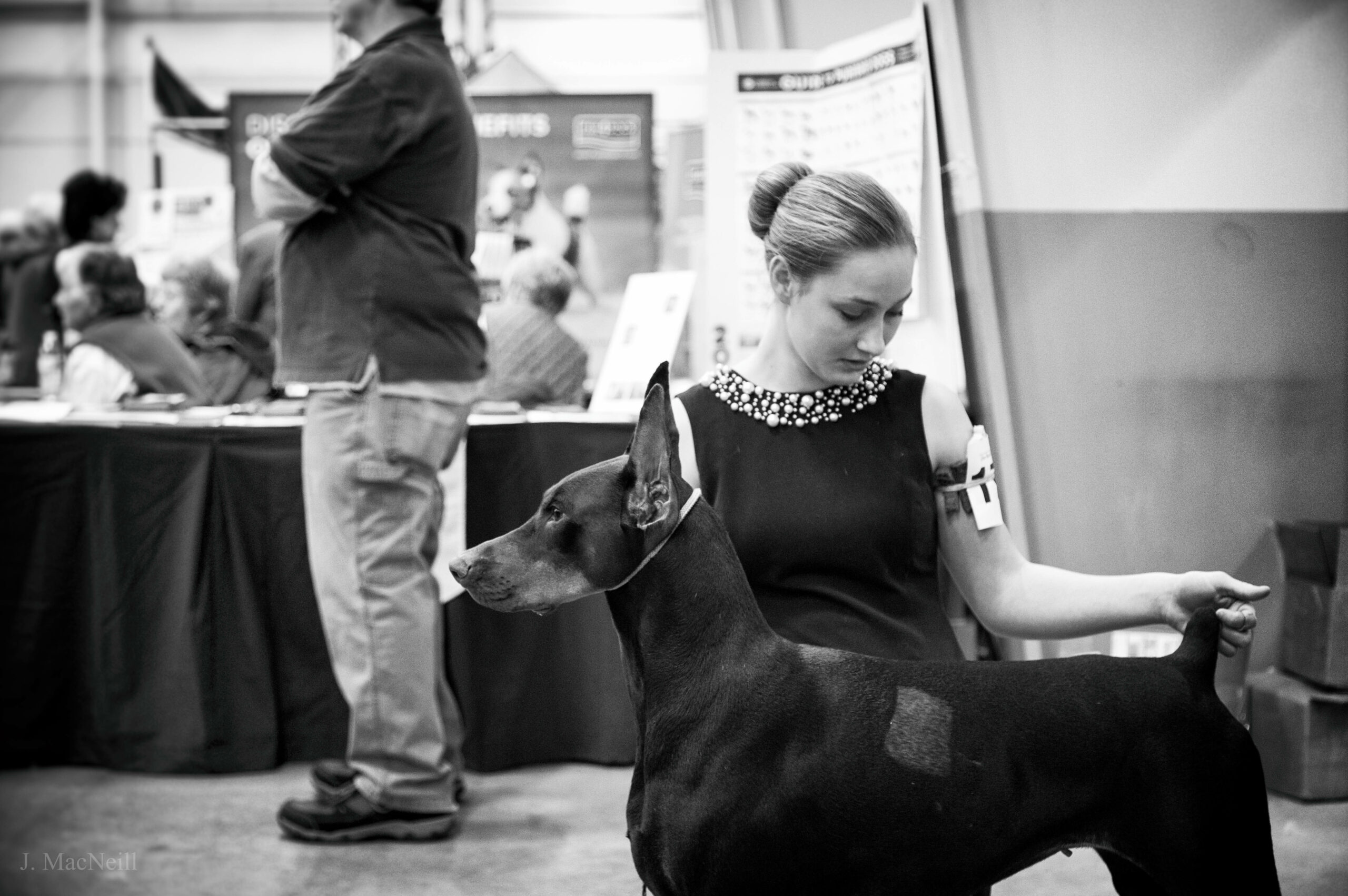
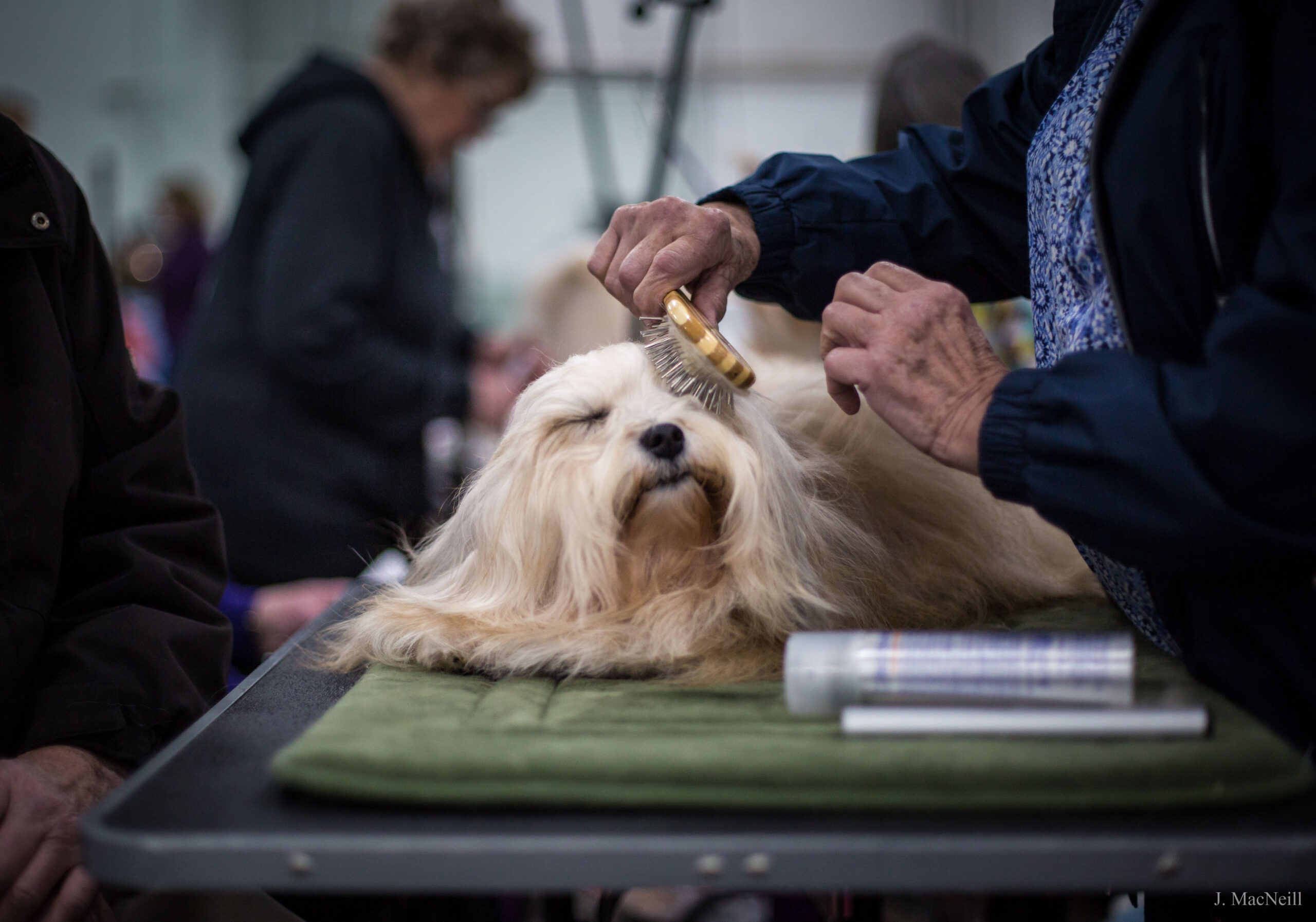
My love of animals combined with a curiosity about people who are very passionate about raising and showing them fueled my desire to photograph various animal shows. This brought me to The Celtic Classic dog show in York, PA.
It was interesting to study how meticulously each animal was groomed and watch the intense focus of the canine and the handler in the ring. Personally, I would never buy a pedigreed pet because there are far too many homeless animals in need, but I can respect a person’s interest in preserving breeds and sharing their love of dogs with the public.
APE contributor Suzanne Sease currently works as a consultant for photographers and illustrators around the world. She has been involved in the photography and illustration advertising and in-house corporate industry for decades. After establishing the art-buying department at The Martin Agency, then working for Kaplan-Thaler, Capital One, Best Buy and numerous smaller agencies and companies, she decided to be a consultant in 1999. Follow her at @SuzanneSease. Instagram